

Introduction
Art is one of the most powerful ways to express thoughts, emotions, and creativity. Whether you are sketching with a pencil or painting with colors, learning through step by step art tutorials makes the process easier and more enjoyable. Instead of feeling overwhelmed, beginners can break complex drawings into simple stages and gradually improve their skills. This structured approach builds confidence and helps learners understand the fundamentals of art more clearly.
In today’s fast-paced world, many people want to learn art but don’t know where to begin. That’s where step by step art tutorials come in. They provide clear instructions, visual guidance, and logical progression, making art accessible to everyone. Even intermediate artists can refine their techniques by following detailed processes and experimenting with different styles.
Moreover, step by step learning ensures consistency. It allows artists to identify mistakes, improve gradually, and develop their own style over time. Whether your goal is to draw portraits, landscapes, or digital illustrations, mastering the basics through guided tutorials is essential. This article will walk you through everything you need to know, from understanding the concept to mastering advanced techniques, ensuring a smooth and enjoyable artistic journey.
What is Step by Step Art Tutorials?
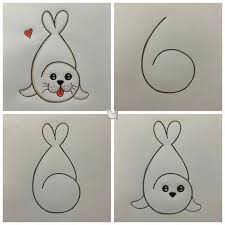
Step by step art tutorials are structured guides that teach drawing or painting by breaking down a complete artwork into smaller, manageable steps. Each step focuses on a specific part of the process, such as sketching outlines, adding details, shading, or coloring.
These tutorials are designed for learners at different levels. Beginners can follow simple instructions to create basic shapes and figures, while intermediate artists can explore more complex techniques like perspective, texture, and lighting.
For example, instead of drawing a full portrait at once, a tutorial might guide you to:
- Start with basic face proportions
- Add facial features step by step
- Refine details like eyes and hair
- Apply shading for depth
This approach removes confusion and makes learning art more structured and effective.
Why is Step by Step Art Tutorials Important?
Learning art without guidance can be frustrating, especially for beginners. Step by step art tutorials provide a clear path that helps learners stay focused and motivated.
Firstly, they simplify complex concepts. Instead of trying to understand everything at once, learners can focus on one step at a time. This reduces anxiety and improves learning speed.
Secondly, they build confidence. Completing each step successfully gives a sense of achievement, encouraging artists to continue practicing. Over time, this builds strong foundational skills.
Additionally, these tutorials improve observation skills. Artists learn how to break down objects into shapes, understand proportions, and notice details that might otherwise be overlooked.
Finally, step by step art tutorials encourage consistency. Regular practice with guided instructions helps develop discipline and gradually improves overall artistic ability.
Detailed Step-by-Step Guide
Step 1: Gather Your Art Materials

Before starting, ensure you have the right tools. Basic materials include:
- Pencil (HB or 2B)
- Eraser
- Sketchbook or paper
- Sharpener
- Optional: colors, markers, or digital tools
Having the right materials makes the process smoother and more enjoyable.
Step 2: Start with Basic Shapes
Every drawing begins with simple shapes. For example, a face can start with a circle, while a body can be built using lines and ovals.
This step helps in maintaining proportions and structure. Avoid focusing on details at this stage. Keep your lines light and adjustable.
Step 3: Create the Outline
Once the basic shapes are in place, refine them into a clear outline. This step involves connecting shapes and forming recognizable structures.
For example:
- Turn circles into heads
- Convert lines into arms and legs
- Shape objects with smooth curves
This is where your drawing starts to take form.
Step 4: Add Details Gradually
After the outline, begin adding details step by step. Focus on one area at a time.
For instance:
- Draw eyes, nose, and mouth in a portrait
- Add leaves and textures in a landscape
- Define edges and patterns in objects
Avoid rushing. Precision at this stage improves the final result.
Step 5: Work on Shading and Depth
Shading adds realism and dimension to your artwork. Use light and dark tones to create depth.
Start by identifying the light source. Then:
- Shade darker areas away from light
- Blend softly for smooth transitions
- Use cross-hatching or layering techniques
This step transforms a flat drawing into a lifelike piece.
Step 6: Add Colors (Optional)
If you are using colors, apply them carefully after shading. Start with base colors and gradually add layers for richness.
Use lighter shades first and build up to darker tones. This ensures better control and blending.
Step 7: Final Touches and Refinement
Review your artwork and make final adjustments. Erase unnecessary lines, enhance details, and improve contrast where needed.
This step ensures your drawing looks clean, polished, and complete.
Benefits of Step by Step Art Tutorials
- Easy learning process for beginners
- Builds strong foundational skills
- Improves observation and attention to detail
- Boosts confidence through gradual progress
- Helps develop consistency and discipline
- Encourages creativity and experimentation
- Suitable for both traditional and digital art
Disadvantages / Risks
- Can limit creativity if followed too strictly
- Over-dependence on tutorials may slow independent growth
- Repetition may feel boring for some learners
- Not all tutorials match individual learning styles
- May lead to copying instead of original creation
Common Mistakes to Avoid
One common mistake is rushing through steps. Skipping basic shapes or outlines can result in poor proportions. Always follow the sequence carefully.
Another mistake is pressing too hard with the pencil. Light strokes allow easy corrections and better control.
Many beginners also ignore shading techniques. Without proper shading, drawings look flat and unrealistic. Practice light and shadow regularly.
Additionally, comparing your work to others too early can reduce motivation. Focus on your progress instead of perfection.
Lastly, avoid over-reliance on tutorials. Use them as guidance, but also practice drawing from imagination to develop your own style.
FAQs
1. Are step by step art tutorials good for beginners?
Yes, they are ideal for beginners because they simplify complex drawings into manageable steps. This makes learning less overwhelming and more structured.
2. How long does it take to improve using these tutorials?
Improvement depends on practice. With consistent effort, noticeable progress can be seen within a few weeks. However, mastering skills may take months or years.
3. Can intermediate artists benefit from step by step tutorials?
Absolutely. Intermediate artists can refine techniques, learn new styles, and improve details like shading, perspective, and composition.
4. Do I need expensive materials to start?
No, basic tools like a pencil, eraser, and paper are enough. Advanced materials can be added later as skills improve.
5. Can I create my own art after following tutorials?
Yes, tutorials build foundational skills. Once you understand the basics, you can create original artwork with confidence.
6. Are digital art tutorials similar to traditional ones?
Yes, the principles are the same. The only difference is the tools used, such as drawing tablets and software instead of paper and pencils.
Expert Tips & Bonus Points
Practice daily, even if it’s for a short time. Consistency matters more than long sessions.
Break complex drawings into smaller parts. This makes them easier to understand and execute.
Observe real-life objects and references. This improves accuracy and detail in your artwork.
Experiment with different styles and techniques. This helps you discover your artistic identity.
Keep a sketchbook to track progress. Reviewing past work shows improvement and boosts motivation.
Don’t fear mistakes. Every error is a learning opportunity that brings you closer to mastery.
Conclusion
Step by step art tutorials provide a structured and effective way to learn drawing and painting. They break down complex concepts into simple stages, making art accessible to beginners while still valuable for intermediate learners. By following a clear process, artists can build strong foundations, improve gradually, and gain confidence in their abilities.
However, it is important to balance guided learning with creative exploration. While tutorials offer direction, true growth comes from experimenting and developing your own style. Consistent practice, patience, and a willingness to learn from mistakes are key factors in becoming a skilled artist.
In the end, art is not about perfection but expression. Step by step art tutorials are just a starting point. With dedication and creativity, anyone can turn simple sketches into meaningful works of art. Keep practicing, stay inspired, and enjoy the journey of artistic growth.
