

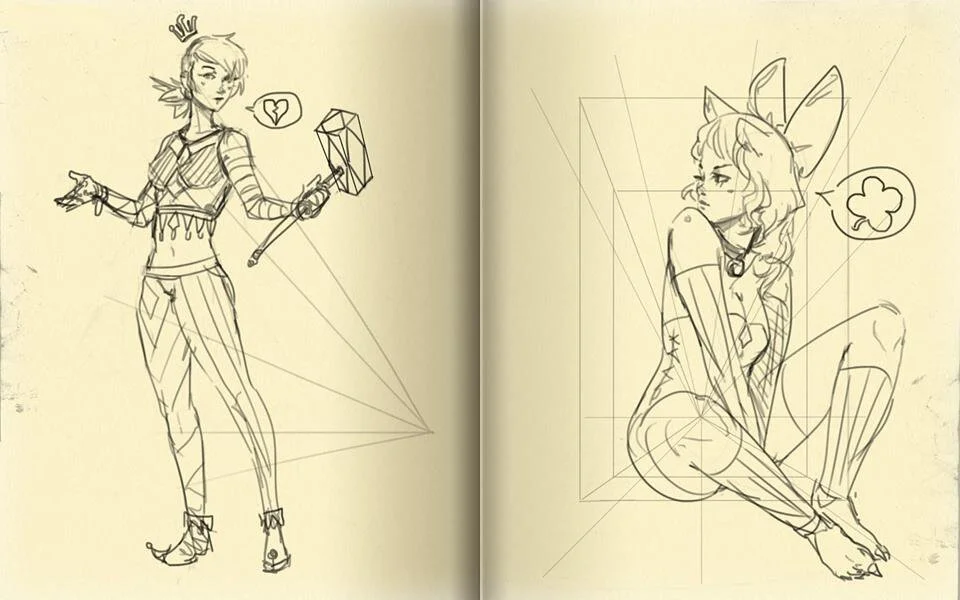
Introduction
Sketching is one of the most essential skills for any artist, whether you are just starting out or already have some experience. It is the foundation of all visual art forms, from simple doodles to complex illustrations. Mastering sketching tips for artists can significantly improve your creativity, observation skills, and overall artistic confidence. Many beginners struggle in the early stages because they expect perfection too quickly, but sketching is a process of learning through practice and patience.
Rana Sahab, if you want to grow as an artist, the first step is to understand that sketching is not about creating perfect lines but about expressing ideas visually. Every great artist started with rough sketches that slowly improved over time. The key is consistency, observation, and willingness to learn from mistakes. In this guide, you will discover practical sketching tips for artists that will help you build strong fundamentals, improve hand control, and develop your own unique style.
Whether you are sketching for fun, education, or professional goals, this detailed guide will walk you through everything step by step. By the end, you will have a clear roadmap to improve your sketching skills effectively and confidently.
What is Sketching for Artists?
Sketching is the process of creating quick, freehand drawings that capture the basic structure, form, and idea of a subject. It is usually done using pencils, pens, or charcoal and focuses more on expression than perfection. Unlike detailed artwork, sketching is fast, loose, and exploratory.
For artists, sketching serves as the foundation of all visual creation. It helps in planning compositions, studying proportions, and understanding light and shadow. Professional artists often use sketching as a thinking tool before creating final artwork. It allows them to experiment without fear of making mistakes.
Sketching tips for artists often emphasize observation, practice, and simplification. Instead of drawing what you “think” you see, sketching trains your eyes to capture what is actually there. This skill improves over time with consistent effort and patience.
Why is Sketching Important?
Sketching is important for every artist because it builds core artistic skills that are essential in all forms of drawing and painting. Without sketching practice, it becomes difficult to develop accuracy, creativity, and visual understanding.
Here are some key reasons why sketching matters:
- Improves hand-eye coordination
- Enhances observation skills
- Builds confidence in drawing
- Helps understand proportions and perspective
- Encourages creativity and idea generation
- Serves as a foundation for advanced artwork
Rana Sahab, one of the most important sketching tips for artists is to treat sketching as daily practice rather than a one-time skill. The more you sketch, the more natural it becomes. It also helps you develop patience, which is essential for artistic growth.
Sketching is not just about art; it is also about thinking visually. Many designers, architects, and illustrators rely heavily on sketching to communicate ideas quickly and effectively.
Detailed Step-by-Step Guide
Step 1: Start with Basic Shapes
Every complex object can be broken down into simple shapes like circles, squares, and triangles. Begin your sketch by identifying these basic forms. This makes drawing easier and more structured.
Step 2: Focus on Proportions
One of the most important sketching tips for artists is maintaining correct proportions. Compare sizes and distances between different parts of your subject before adding details.
Step 3: Use Light Hand Pressure

Avoid pressing too hard on the pencil in the beginning. Light strokes allow you to make corrections easily without damaging the paper.
Step 4: Observe Before Drawing
Spend time looking at your subject carefully before starting. Notice shapes, angles, and shadows. Observation is the key to accurate sketching.
Step 5: Build Layers Slowly
Start with rough outlines, then gradually add structure and detail. This layered approach improves control and accuracy.
Step 6: Add Shadows and Depth
Shading gives life to your sketch. Use soft gradients to create depth and make your drawing more realistic.
Step 7: Practice Regularly
Consistency is the most powerful tool. Even 20–30 minutes of daily sketching practice can lead to noticeable improvement over time.
Benefits of Sketching for Artists
- Strengthens drawing fundamentals
- Improves creativity and imagination
- Builds confidence in artistic expression
- Enhances visual memory
- Helps in professional art development
- Reduces fear of mistakes
- Encourages faster idea generation
Sketching tips for artists consistently highlight that practice is more important than talent. Anyone can improve with dedication and the right approach.
Disadvantages / Risks of Sketching
- Can feel frustrating for beginners
- Requires time and patience
- Early results may look imperfect
- Overthinking can slow progress
- Poor habits may develop without guidance
However, these challenges are normal and temporary. With consistent effort, they can be overcome easily.
Common Mistakes to Avoid
Many beginners make similar mistakes while learning sketching. Avoiding them can speed up your progress significantly.
- Focusing too much on details early
- Using too much pressure on pencil strokes
- Ignoring proportions and structure
- Not practicing regularly
- Copying without understanding basics
- Skipping observation stage
- Fear of making mistakes
One of the most useful sketching tips for artists is to accept imperfections as part of the learning process.
FAQs
1. How long does it take to learn sketching?
It depends on practice and consistency. With daily effort, noticeable improvement can be seen within a few months.
2. Do I need expensive tools for sketching?
No, basic pencils and paper are enough. Skills matter more than tools.
3. Can beginners learn sketching easily?
Yes, sketching is beginner-friendly if practiced regularly with patience.
4. What should I sketch first as a beginner?
Start with simple objects like fruits, bottles, and basic shapes.
5. How often should I practice sketching?
Daily practice is ideal, even if it is just 20 minutes.
6. Why do my sketches look uneven?
This usually happens due to lack of proportion understanding. Practice observation and slow drawing.
Expert Tips & Bonus Points
- Always carry a small sketchbook
- Draw from real-life objects instead of imagination only
- Practice blind contour drawing to improve observation
- Study light and shadow carefully
- Redraw the same object multiple times
- Don’t erase too quickly; analyze mistakes first
- Learn from reference images but avoid copying blindly
Rana Sahab, one of the strongest sketching tips for artists is to build a habit of observing the world like an artist. Everything around you has shape, structure, and story.
Conclusion
Sketching is a powerful skill that forms the backbone of all visual art. Whether you are a beginner or an intermediate learner, consistent practice and the right approach can dramatically improve your abilities. The journey of learning sketching is not about speed but about steady progress and observation.
Rana Sahab, if you follow the sketching tips for artists shared in this guide, you will gradually notice improvement in your accuracy, creativity, and confidence. The key is to stay patient and committed. Every sketch you create adds value to your learning process, even if it doesn’t look perfect at first.
Remember, great artists are not born overnight. They are shaped through practice, mistakes, and continuous learning. Keep sketching regularly, explore different subjects, and challenge yourself to improve every day. Over time, you will develop your own unique artistic style and strong foundational skills that will support your creative journey for years to come.
