

Introduction
Daily drawing tips are one of the most effective ways for beginners and intermediate artists to build strong sketching habits and improve their artistic confidence. Whether you are just starting your journey or trying to refine your skills, practicing every day can make a huge difference in your progress. Many people think drawing talent is natural, but in reality, it is developed through consistent practice and observation.
When you follow daily drawing tips, you train your hand, eye, and brain to work together more efficiently. Over time, your lines become smoother, your shapes become more accurate, and your creativity improves naturally. The key is not to focus on perfection but on consistency and learning from small mistakes every day.
In this article, you will learn practical strategies, step-by-step methods, and expert insights that will help you build a strong drawing habit. These daily drawing tips are designed to be simple, realistic, and easy to follow, even if you have a busy schedule. By applying them regularly, you will notice visible improvement in your sketching style and confidence.
Drawing is not just about creating art; it is also a way to express emotions, ideas, and imagination. With the right approach and mindset, anyone can become better at drawing.
What is Daily Drawing Practice?
Daily drawing practice refers to the habit of sketching or illustrating something every day, even if it is just for a few minutes. It focuses on consistency rather than complexity. The idea is to keep your creative skills active and continuously improving.
Daily drawing tips often include small exercises such as sketching objects around you, practicing basic shapes, or copying reference images. These small activities build a strong foundation for advanced artwork later on.
This practice is not limited to professional artists. Beginners can also benefit greatly because it helps them understand proportions, shading, perspective, and structure step by step.
Why is Daily Drawing Important?
Daily drawing tips are important because they help build discipline and improve artistic control over time. When you draw regularly, your brain starts recognizing shapes and patterns faster.
Here are some reasons why it matters:
- It improves hand-eye coordination
- It builds creative thinking skills
- It helps you understand proportions better
- It increases observation power
- It reduces hesitation while drawing
- It builds confidence in sketching abilities
Without regular practice, improvement becomes slow and inconsistent. That is why professionals always recommend maintaining a daily drawing habit.
Detailed Step-by-Step Guide
Step 1: Start with Basic Shapes
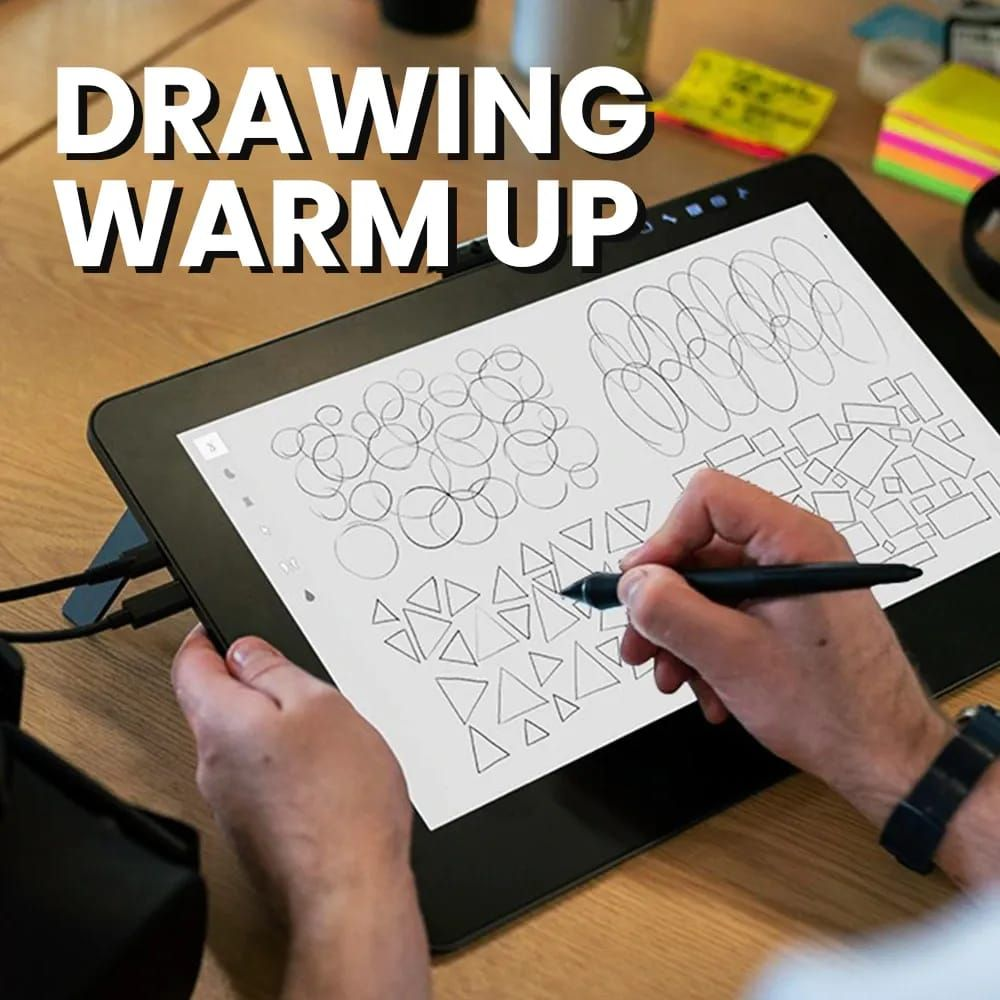
Begin your daily drawing tips routine with simple shapes like circles, squares, and triangles. These shapes form the foundation of all drawings. Practice drawing them repeatedly until your hand becomes steady.
Step 2: Observe Real Objects
Look around your environment and choose simple objects like cups, books, or plants. Try to sketch them without worrying about perfection. Observation is a key part of improving drawing skills.
Step 3: Practice Line Control
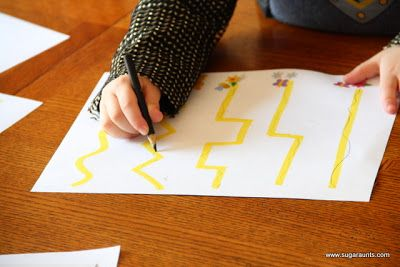
Strong and confident lines are important in drawing. Spend a few minutes practicing straight lines, curved lines, and zigzag patterns. This improves precision.
Step 4: Focus on Proportions
One of the most useful daily drawing tips is learning proportions. Compare the size of different parts of an object before drawing it.
Step 5: Add Shading Practice
Shading gives depth to your sketches. Start with light shading and gradually move to darker tones to understand contrast.
Step 6: Draw from References
Use images or real-life objects as references. This helps you understand structure and details better.
Step 7: Review Your Work
At the end of each session, analyze your drawing. Identify mistakes and think about improvements for next time.
Benefits of Daily Drawing Tips
- Improves artistic confidence
- Enhances creativity and imagination
- Builds consistency and discipline
- Develops better observation skills
- Strengthens hand control and precision
- Helps in learning advanced art techniques faster
- Reduces fear of making mistakes
- Encourages self-expression
Disadvantages / Risks
- Can feel repetitive if not varied
- May cause frustration for beginners
- Time management challenges for busy individuals
- Risk of burnout if over-practiced without breaks
- Slow visible progress in early stages
Common Mistakes to Avoid
Many beginners make errors that slow down their progress. Avoiding these can significantly improve your results.
- Focusing only on perfect results instead of practice
- Ignoring basic shapes and fundamentals
- Skipping shading practice
- Not using references
- Drawing too fast without observation
- Comparing your progress with advanced artists
Consistency is more important than speed in learning art.
FAQs
1. How long should I practice drawing daily?
Even 20–30 minutes daily is enough if you stay consistent. The key is regular practice, not long hours.
2. Do I need special tools for daily drawing tips practice?
No, basic pencils and paper are enough. You can later explore advanced tools if needed.
3. How long does it take to improve drawing skills?
Improvement depends on consistency. Most beginners notice changes within a few weeks of regular practice.
4. Can beginners follow daily drawing tips easily?
Yes, these tips are designed for beginners and intermediate learners, making them simple to follow.
5. What should I draw every day?
You can draw objects, shapes, faces, or anything around you. The goal is to practice regularly.
6. Why is my drawing not improving quickly?
Lack of consistency or skipping fundamentals can slow progress. Follow structured daily drawing tips for better results.
Expert Tips & Bonus Points
Experts recommend keeping your drawing practice simple but consistent. Here are some bonus tips:
- Keep a sketchbook dedicated to daily practice
- Draw without erasing too much
- Focus on learning, not perfection
- Try different styles over time
- Set small goals for each session
- Study basic anatomy and perspective gradually
- Observe real-life objects carefully before drawing
Another important tip is to avoid pressure. Drawing should feel enjoyable, not stressful. When you enjoy the process, improvement happens naturally.
Conclusion
Daily drawing tips are one of the most powerful ways to improve artistic skills, especially for beginners and intermediate learners. The secret to becoming better at drawing is not talent alone but consistent practice, patience, and observation.
When you make drawing a daily habit, you gradually build control over your hand movements, improve your visual understanding, and develop a stronger creative mindset. Even small practice sessions can lead to significant improvement over time.
The key is to stay consistent and avoid comparing yourself with others. Every artist has a unique journey, and improvement comes step by step. By following structured daily drawing tips, you can build a strong foundation that supports advanced techniques in the future.
Remember, every great artist started as a beginner. What made them successful was their dedication to practicing regularly and learning from their mistakes. If you stay committed to your daily drawing routine, you will definitely see progress in your skills, confidence, and creativity.
