

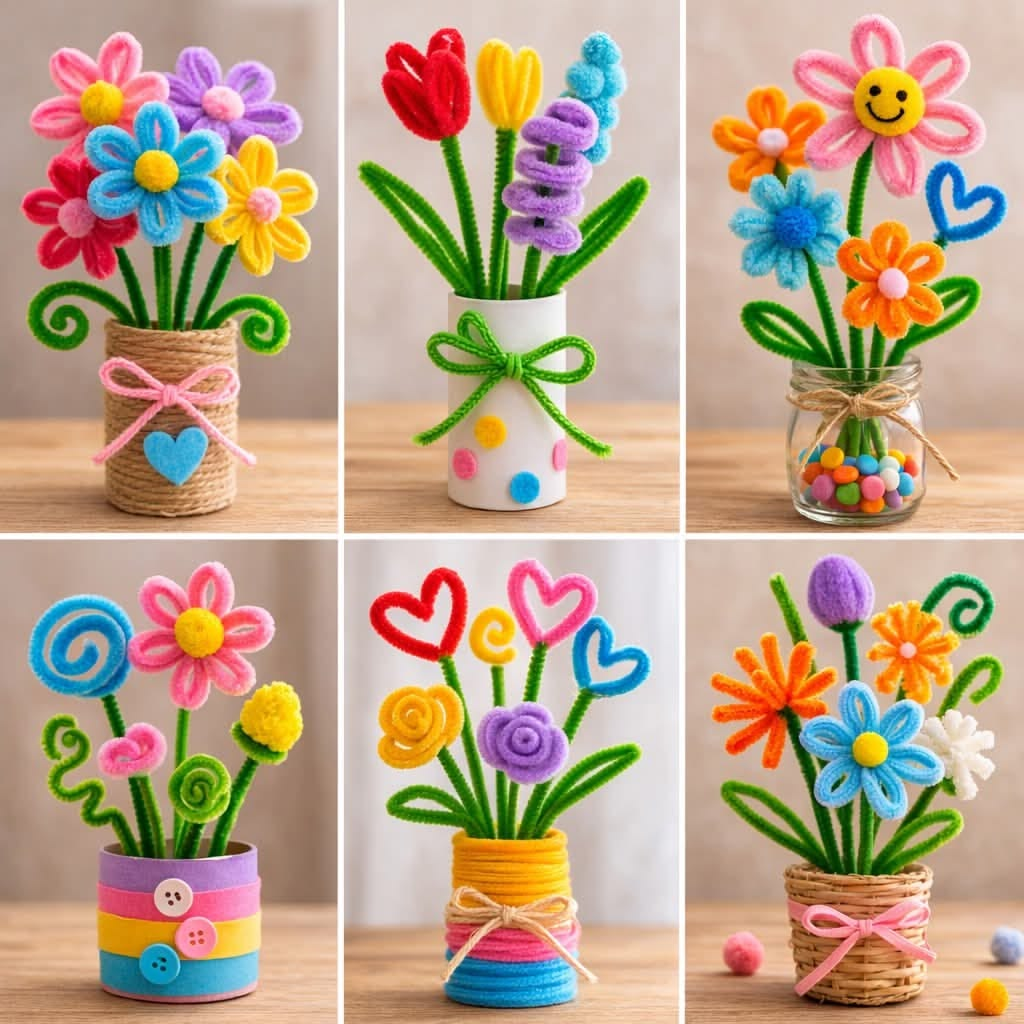
Introduction
Handmade craft ideas have gained immense popularity in recent years, especially among people who want to explore creativity while creating something meaningful. Whether you are a beginner or someone with some crafting experience, handmade crafts offer a perfect blend of relaxation, skill-building, and productivity. From simple paper crafts to more advanced DIY projects, there is something for everyone.
In today’s fast-paced digital world, engaging in hands-on activities like crafting allows individuals to disconnect from screens and reconnect with their creativity. Not only does it help reduce stress, but it also boosts confidence as you see your ideas come to life. Moreover, handmade crafts can be turned into gifts, home décor, or even small business opportunities.
This guide will walk you through various handmade craft ideas, their importance, step-by-step methods, and practical tips. By the end, you will have a clear understanding of how to start and improve your crafting journey effectively.
What is Handmade Craft Ideas?
Handmade craft ideas refer to creative projects that involve making items by hand using basic materials and tools. These crafts can include paper art, fabric crafts, recycled material projects, and decorative items. Unlike machine-made products, handmade crafts emphasize personal effort, creativity, and uniqueness.
Crafting is not limited to professionals. Anyone can start with simple projects like greeting cards, painted jars, or handmade bookmarks. Over time, these small efforts can evolve into more complex creations like home décor items or customized gifts.
The beauty of handmade crafts lies in their flexibility. You can use easily available materials such as paper, cloth, wood, or even waste items. This makes crafting both affordable and accessible for beginners and intermediate learners.
Why is Handmade Craft Ideas Important?
Handmade crafts are more than just hobbies. They play an important role in personal development and daily life.
Firstly, crafting improves creativity. When you work on a project, you constantly think about colors, designs, and patterns. This enhances your ability to think creatively.
Secondly, it helps in stress relief. Engaging in hands-on activities keeps your mind focused and reduces anxiety. Many people use crafting as a form of therapy.
Additionally, handmade crafts promote sustainability. By using recycled materials, you reduce waste and contribute to a cleaner environment.
Lastly, crafting can become a source of income. Many individuals turn their handmade creations into small businesses by selling them online or locally.
Detailed Step-by-Step Guide
Getting Started with Basic Materials
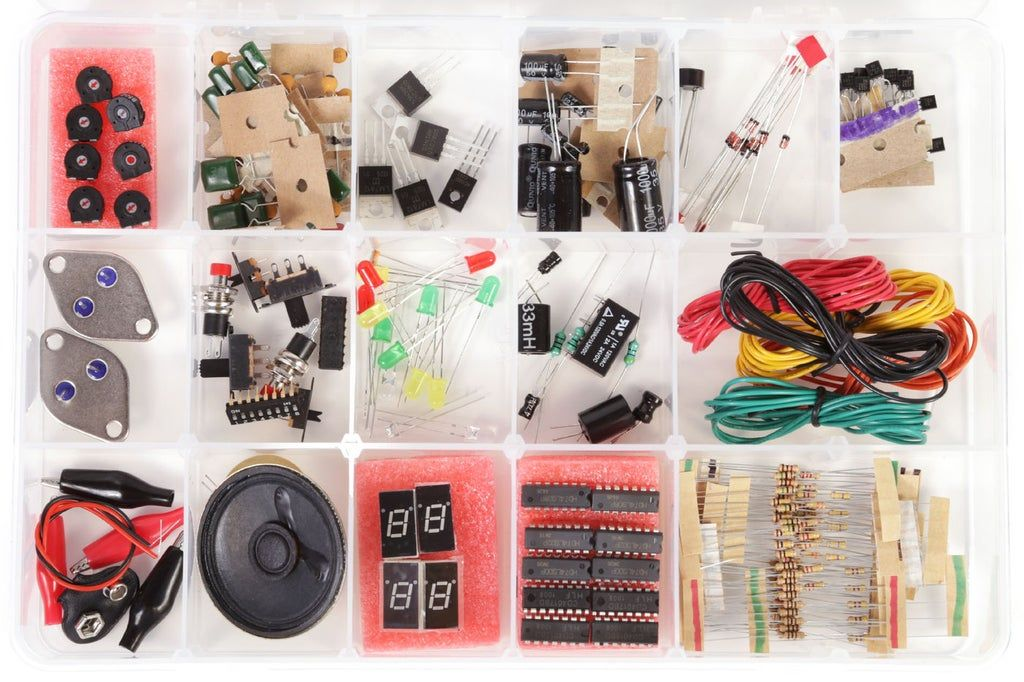
Before starting any craft, gather essential supplies:
- Paper, cardboard, and scissors
- Glue and adhesive tapes
- Paints, brushes, and markers
- Fabric pieces and threads
- Recycled items like bottles and jars
Having these materials ready ensures a smooth crafting process.
Choosing Your First Craft Project
Start with simple ideas such as:
- Handmade greeting cards
- Decorative paper flowers
- Painted glass jars
Choose a project that matches your skill level. Beginners should avoid complex designs at the start.
Step-by-Step Process for a Simple Craft
- Decide your design and sketch it on paper.
- Gather all materials required for the project.
- Cut and shape materials according to your design.
- Assemble the pieces carefully using glue or thread.
- Add finishing touches like paint or decorations.
Following these steps ensures your craft turns out neat and visually appealing.
Improving Your Craft Skills
Practice is key to mastering handmade craft ideas. Try different techniques such as:
- Mixing colors creatively
- Experimenting with textures
- Using new materials
Over time, your skills will naturally improve, and you will be able to handle more complex projects.
Benefits of Handmade Craft Ideas
- Enhances creativity and imagination
- Provides relaxation and reduces stress
- Encourages productive use of free time
- Promotes eco-friendly practices
- Helps develop fine motor skills
- Can be turned into a small business opportunity
- Builds confidence through completed projects
Disadvantages / Risks
- Time-consuming for detailed projects
- Requires patience and consistency
- Initial results may not be perfect
- Some materials can be costly
- Risk of minor injuries from tools like scissors or cutters
Common Mistakes to Avoid
One common mistake beginners make is choosing overly complex projects. Starting simple helps build confidence and skills gradually.
Another mistake is not planning the design beforehand. Without a clear idea, the final result may not look organized.
Using low-quality materials can also affect the outcome. It is important to choose decent quality supplies for better results.
Rushing through the process often leads to errors. Take your time and focus on each step carefully.
Lastly, ignoring practice can slow down improvement. Consistent effort is essential for mastering handmade crafts.
FAQs
What are the easiest handmade craft ideas for beginners?
Simple projects like greeting cards, paper flowers, and painted jars are ideal for beginners. They require minimal materials and basic skills.
Do I need expensive tools to start crafting?
No, you can start with basic tools like scissors, glue, and paper. Advanced tools can be added later as your skills grow.
How can I improve my crafting skills?
Practice regularly, experiment with new ideas, and learn from tutorials or experienced crafters. Consistency is the key to improvement.
Can handmade crafts be sold for profit?
Yes, many people turn their craft skills into small businesses by selling handmade items online or in local markets.
What materials are best for eco-friendly crafts?
Recycled materials like old newspapers, plastic bottles, and fabric scraps are excellent choices for sustainable crafting.
How much time should I spend on crafting daily?
Even 30 minutes a day can make a significant difference. Regular practice helps improve skills faster.
Expert Tips & Bonus Points
Start by setting small goals for each project. This helps maintain focus and motivation.
Keep your workspace organized. A clean and tidy area improves efficiency and creativity.
Learn basic color combinations to make your crafts visually appealing. Good color choices can enhance even simple designs.
Take inspiration from everyday objects. Sometimes the best ideas come from observing your surroundings.
Document your work. Keeping a record of your projects helps track progress and improvement over time.
Lastly, do not be afraid to make mistakes. Every error is an opportunity to learn and grow.
Conclusion
Handmade craft ideas offer a wonderful way to explore creativity while creating something meaningful. Whether you are crafting for relaxation, decoration, or income, the possibilities are endless. Starting with simple projects and gradually improving your skills can lead to impressive results over time.
Crafting not only enhances creativity but also provides a sense of achievement. Each completed project reflects your effort, imagination, and dedication. Moreover, it encourages sustainable practices by promoting the use of recycled materials.
While there may be challenges such as time constraints or initial imperfections, consistent practice and patience can help overcome them. The journey of crafting is as rewarding as the final product.
In the end, handmade crafts are not just about making things. They are about expressing yourself, learning new skills, and enjoying the process. With the right approach and mindset, anyone can become skilled in handmade craft ideas and even turn it into a fulfilling hobby or profession.
