

Introduction
Online art tutorials have transformed the way people learn creative skills. In the past, learning art often required attending physical classes or enrolling in expensive workshops. Today, anyone with an internet connection can explore a wide range of artistic techniques from the comfort of home. This accessibility has opened doors for beginners and intermediate learners who want to improve their drawing, painting, or digital art skills without significant financial investment.
One of the biggest advantages of online art tutorials is flexibility. Learners can choose their own pace, revisit lessons, and practice techniques repeatedly until they feel confident. Moreover, the variety of tutorials available ensures that there is something for everyone, whether someone is interested in sketching, watercolor painting, or digital illustration.
As the demand for creative skills continues to grow, online art tutorials are becoming an essential resource for aspiring artists. They not only provide structured guidance but also inspire creativity and self-expression. This article will guide you through everything you need to know about online art tutorials, including their importance, benefits, and practical steps to get started.
What is Online Art Tutorials?
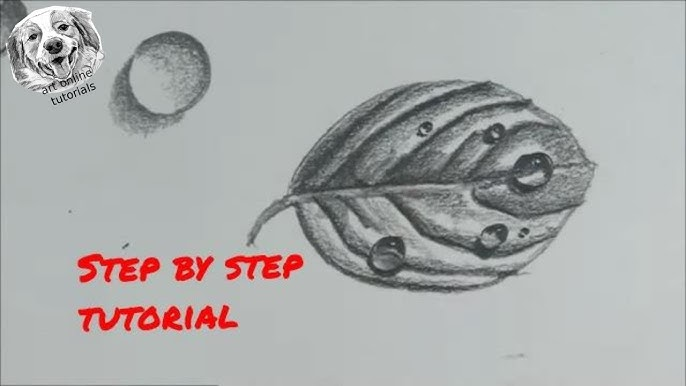
Online art tutorials are structured lessons delivered through digital platforms that teach various forms of art. These tutorials can be in the form of videos, written guides, or interactive sessions. They cover a wide range of topics, including drawing basics, painting techniques, color theory, and advanced digital art methods.
Unlike traditional classroom learning, online art tutorials allow learners to access content anytime and anywhere. This makes it easier for individuals with busy schedules to continue their artistic journey without interruptions. Many tutorials are designed for beginners, while others cater to intermediate and advanced artists.
In simple terms, online art tutorials are a convenient and flexible way to learn art using digital resources. They provide step-by-step instructions, practical exercises, and creative inspiration to help learners improve their skills.
Why is Online Art Tutorials Important?
Online art tutorials play a crucial role in modern education, especially in creative fields. They make art education accessible to a wider audience, regardless of location or financial limitations. This accessibility encourages more people to explore their artistic potential.
Another important aspect is affordability. Traditional art classes can be expensive, whereas many online art tutorials are free or cost significantly less. This allows learners to experiment with different styles and techniques without worrying about high expenses.
Additionally, online art tutorials promote self-paced learning. Everyone learns differently, and having the ability to pause, rewind, and revisit lessons helps individuals understand concepts more effectively. This personalized approach improves the overall learning experience.
Furthermore, these tutorials often include real-life examples and demonstrations, making it easier to grasp complex techniques. They also connect learners with a global community of artists, providing opportunities for feedback and collaboration.
Detailed Step-by-Step Guide
Step 1: Choose Your Art Style
Start by deciding what type of art you want to learn. Options include pencil sketching, watercolor painting, acrylic painting, or digital art. Choosing a specific style helps you focus your learning efforts and avoid confusion.
Step 2: Find Reliable Tutorials
Search for high-quality online art tutorials that match your skill level. Look for tutorials that provide clear instructions, demonstrations, and practice exercises. Beginner-friendly tutorials are ideal for those just starting out.
Step 3: Gather Necessary Tools
Before starting, ensure you have the required materials. For example, if you are learning sketching, you will need pencils, erasers, and paper. For digital art, you may need a tablet and software. Having the right tools makes the learning process smoother.
Step 4: Follow Lessons Consistently

Consistency is key when learning art. Set a schedule and dedicate time daily or weekly to practice. Follow the tutorials step by step and avoid skipping important lessons.
Step 5: Practice Regularly
Practice is essential for improvement. Repeat exercises and try to recreate examples from the tutorials. Over time, your skills will gradually improve.
Step 6: Experiment and Explore
Once you are comfortable with the basics, start experimenting with different techniques and styles. This helps you develop your unique artistic voice.
Step 7: Seek Feedback
Share your work with others and ask for feedback. Constructive criticism helps identify areas for improvement and boosts confidence.
Benefits of Online Art Tutorials
- Flexible learning schedule that fits any lifestyle
- Access to a wide variety of art styles and techniques
- Affordable or free learning resources
- Ability to learn at your own pace
- Opportunity to revisit lessons anytime
- Exposure to global art communities
- Encouragement of creativity and self-expression
- Suitable for beginners and intermediate learners
Disadvantages / Risks
- Lack of direct personal interaction with instructors
- Difficulty staying motivated without a structured environment
- Overwhelming number of tutorials can cause confusion
- Limited feedback compared to in-person classes
- Risk of developing incorrect techniques without guidance
- Requires self-discipline and commitment
Common Mistakes to Avoid
One common mistake is trying to learn too many styles at once. This can lead to confusion and slow progress. It is better to focus on one style and master the basics before moving on.
Another mistake is skipping foundational lessons. Many learners want quick results and ignore basic concepts like shading or proportions. However, these fundamentals are essential for long-term improvement.
Inconsistent practice is also a major issue. Learning art requires regular effort, and irregular practice can hinder progress. Setting a routine helps maintain consistency.
Additionally, comparing your work to others can be discouraging. Everyone learns at a different pace, so it is important to focus on your own progress.
Lastly, ignoring feedback can limit growth. Constructive criticism provides valuable insights that help improve skills over time.
FAQs
1. Are online art tutorials suitable for beginners?
Yes, online art tutorials are ideal for beginners. Many tutorials are specifically designed to teach basic concepts and gradually build skills. Beginners can start with simple exercises and progress at their own pace.
2. Do I need expensive tools to start?
No, you do not need expensive tools. Basic materials like pencils and paper are enough for beginners. As you improve, you can invest in better tools if needed.
3. How long does it take to learn art online?
The time required varies depending on individual effort and practice. Some people see improvement within weeks, while others may take months to develop advanced skills. Consistency is the key factor.
4. Can I become a professional artist through online tutorials?
Yes, many artists have become professionals by learning through online art tutorials. However, it requires dedication, practice, and continuous learning. Building a strong portfolio is also important.
5. How do I stay motivated while learning online?
Setting goals, following a schedule, and tracking progress can help maintain motivation. Joining online art communities and sharing your work also provides encouragement.
6. Are free tutorials effective?
Free tutorials can be highly effective if they are well-structured and created by experienced artists. However, premium courses may offer more detailed guidance and support.
Expert Tips & Bonus Points
To get the most out of online art tutorials, focus on building strong fundamentals. Skills like shading, perspective, and color theory form the foundation of good artwork.
Another important tip is to practice daily, even if it is for a short time. Regular practice helps develop muscle memory and improves technique.
Keeping a sketchbook is also beneficial. It allows you to track progress, experiment with ideas, and refine your skills over time.
Additionally, do not be afraid to make mistakes. Mistakes are a natural part of the learning process and provide valuable learning opportunities.
Watching multiple tutorials on the same topic can also provide different perspectives and techniques. This helps you find methods that work best for you.
Finally, stay patient and enjoy the process. Learning art is a journey that requires time and dedication, but the results are rewarding.
Conclusion
Online art tutorials have made learning art more accessible and convenient than ever before. They provide a flexible and affordable way for beginners and intermediate learners to develop their skills. With a wide range of tutorials available, anyone can explore different art styles and techniques without limitations.
While there are some challenges, such as staying motivated and finding reliable resources, these can be overcome with discipline and proper planning. By following a structured approach, practicing regularly, and seeking feedback, learners can achieve significant progress.
The key to success lies in consistency and a willingness to learn. Online art tutorials offer endless opportunities for growth, creativity, and self-expression. Whether you want to pursue art as a hobby or a professional career, these tutorials provide a solid foundation to start your journey.
