

Introduction
Art tutorials for beginners are one of the best ways to explore creativity without feeling overwhelmed. Whether you want to sketch, paint, or experiment with digital tools, starting with the right approach makes a huge difference. Many people believe that art requires natural talent, but in reality, it is a skill that anyone can develop with practice and guidance. That is exactly where structured learning comes in.
When you follow art tutorials for beginners, you gain a clear understanding of the basics, from holding a pencil correctly to understanding proportions, shading, and color theory. Instead of guessing what to do next, you follow a path that gradually builds your confidence. As a result, even simple drawings begin to look more refined and intentional.
Moreover, learning art is not just about creating something beautiful. It also improves focus, patience, and problem-solving skills. In addition, it offers a relaxing escape from daily stress. With consistent practice, beginners can quickly move from simple sketches to more detailed and expressive artwork.
In this guide, you will learn everything you need to know about art tutorials for beginners, including step-by-step instructions, benefits, mistakes to avoid, and expert tips to help you grow faster.
What is Art Tutorials for Beginners?
Art tutorials for beginners are structured lessons designed to teach the fundamentals of drawing, painting, and other artistic skills in a simple and easy-to-follow manner. These tutorials focus on building a strong foundation rather than jumping directly into complex artwork.
Typically, they cover basic techniques such as line drawing, shading, perspective, and color usage. In addition, they introduce essential tools like pencils, brushes, and sketchbooks. The goal is to help beginners understand how art works from the ground up.
Furthermore, these tutorials are often broken down into small, manageable steps. This makes it easier for learners to follow along without feeling confused or discouraged. Over time, these small steps lead to noticeable improvement and confidence.
Why is Art Tutorials for Beginners Important?
Art tutorials for beginners play a crucial role in shaping a strong artistic foundation. Without proper guidance, beginners often develop bad habits that are difficult to correct later.
First of all, tutorials provide structure. Instead of randomly practicing, learners follow a clear path that builds skills progressively. Secondly, they reduce frustration by simplifying complex concepts into easy steps.
Additionally, tutorials help beginners understand the fundamentals of art, such as proportions, light, and composition. These basics are essential for creating realistic and visually appealing artwork.
Finally, art tutorials for beginners encourage consistency. When learners see improvement, they feel motivated to continue practicing, which ultimately leads to mastery.
Detailed Step-by-Step Guide
Step 1: Gather Basic Art Supplies
Start with simple tools such as pencils, erasers, a sketchbook, and basic colors. You do not need expensive materials in the beginning.
Step 2: Learn Basic Shapes
Every complex drawing is made up of simple shapes like circles, squares, and triangles. Practice drawing these shapes regularly.
Step 3: Practice Line Control
Focus on drawing straight and curved lines with steady hands. This improves your control and accuracy.
Step 4: Understand Proportions
Learn how to measure and compare different parts of your drawing. This is especially important for faces and human figures.
Step 5: Start Shading Techniques
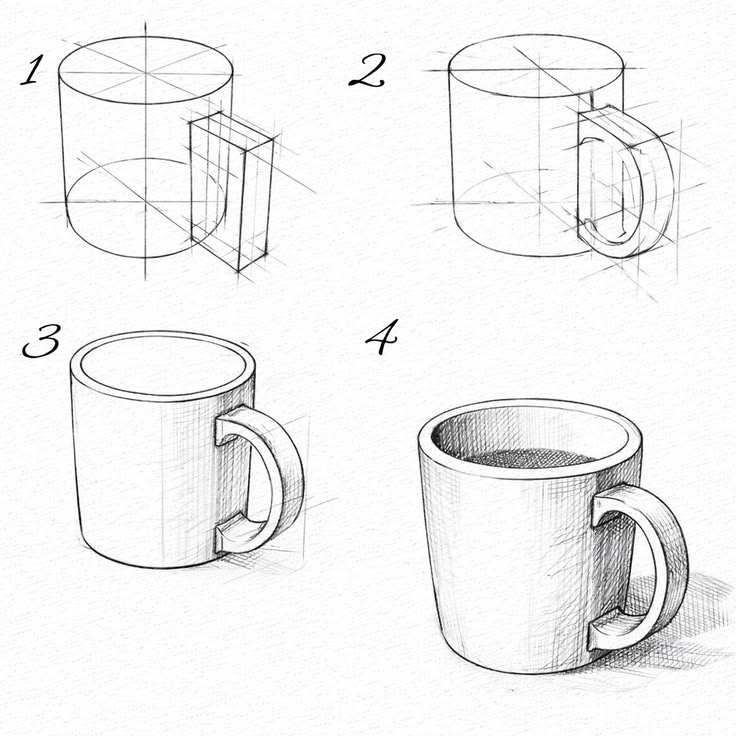
Begin with light and dark shading using pencils. Practice techniques like hatching and blending to create depth.
Step 6: Study Light and Shadow
Observe how light falls on objects and creates shadows. This adds realism to your artwork.
Step 7: Try Simple Drawings
Start with easy subjects such as fruits, cups, or everyday objects. Gradually move to more complex subjects.
Step 8: Explore Colors
Once comfortable with drawing, start experimenting with colors. Learn basic color theory and combinations.
Step 9: Practice Daily
Consistency is key. Even 20 to 30 minutes of daily practice can lead to significant improvement.
Step 10: Review and Improve
Look at your previous work and identify areas for improvement. This helps you grow faster.
Benefits of Art Tutorials for Beginners
- Helps build a strong foundation in drawing and painting
- Improves creativity and imagination
- Enhances focus and patience
- Reduces stress and promotes relaxation
- Encourages self-expression
- Develops problem-solving skills
- Boosts confidence through visible progress
- Provides structured learning for faster improvement
Disadvantages / Risks
- Can feel repetitive at times
- Progress may seem slow in the beginning
- Over-reliance on tutorials can limit creativity
- Comparing with others may reduce motivation
- Lack of practice can lead to frustration
Common Mistakes to Avoid
One common mistake beginners make is expecting quick results. Art takes time, and improvement happens gradually. Another mistake is skipping the basics and jumping straight into complex drawings. This often leads to poor results and frustration.
Additionally, many beginners avoid practicing regularly. Inconsistent practice slows down progress. Some learners also fear making mistakes, which prevents experimentation and growth.
Another issue is comparing your work with experienced artists. This can be discouraging and unnecessary. Instead, focus on your own progress.
Lastly, using too many tools at once can be overwhelming. It is better to master basic tools before moving on to advanced materials.
FAQs
1. How long does it take to learn art for beginners?
The time varies depending on practice and dedication. With consistent effort, noticeable improvement can be seen within a few weeks, while mastery may take years.
2. Do I need expensive tools to start?
No, beginners can start with simple and affordable tools like pencils and paper. Expensive materials are not necessary in the beginning.
3. Can anyone learn art tutorials for beginners?
Yes, anyone can learn art with practice and patience. Talent is helpful but not required.
4. How often should I practice?
Daily practice is ideal. Even short sessions of 20 to 30 minutes can make a big difference over time.
5. What should I draw as a beginner?
Start with simple objects like fruits, household items, and basic shapes before moving to complex subjects.
6. Is it normal to feel frustrated while learning art?
Yes, frustration is part of the learning process. It usually happens when expectations are higher than current skill levels.
Expert Tips & Bonus Points
To improve faster, focus on observing real-life objects instead of relying only on imagination. Observation helps you understand details and proportions more accurately.
Another useful tip is to break down complex drawings into smaller parts. This makes the process easier and less overwhelming.
Additionally, keep a sketchbook dedicated to daily practice. This allows you to track your progress over time.
It is also helpful to experiment with different styles and techniques. This keeps learning interesting and helps you discover your unique artistic voice.
Moreover, do not hesitate to learn from mistakes. Each mistake is an opportunity to improve and refine your skills.
Finally, stay consistent and patient. Progress in art is gradual, but with dedication, results will come.
Conclusion
Art tutorials for beginners provide a structured and effective way to start your creative journey. By focusing on the basics and practicing regularly, anyone can develop strong artistic skills over time. The key is to stay patient and consistent while enjoying the learning process.
Throughout this guide, we explored the importance of learning step by step, understanding core techniques, and avoiding common mistakes. These elements play a crucial role in building confidence and improving steadily.
Moreover, art is not just about creating something visually appealing. It is a powerful form of expression that allows you to communicate ideas and emotions. As you continue practicing, you will notice not only improvement in your skills but also a deeper connection with your creativity.
In the end, the journey of learning art is just as important as the final result. With the right mindset and approach, art tutorials for beginners can open the door to endless creative possibilities.
