

Introduction
Art has always been a powerful form of expression, allowing individuals to communicate ideas, emotions, and stories without words. In today’s digital age, learning art has become more accessible than ever. Whether you are picking up a pencil for the first time or looking to refine your skills, finding the best art tutorials can make a huge difference in your progress.
Many beginners feel overwhelmed when starting their artistic journey. With countless resources available, it can be difficult to know where to begin. However, the right tutorials can simplify complex techniques and guide you step by step. They provide structure, motivation, and practical knowledge that help you grow faster and more confidently.
For intermediate learners, art tutorials are equally valuable. They introduce advanced techniques, improve understanding of fundamentals, and help artists develop their unique style. Consistent learning and practice through well-designed tutorials can elevate your work to a professional level.
This guide is designed to help you understand what art tutorials are, why they matter, and how to use them effectively. You will also learn about their benefits, risks, common mistakes, and expert tips to maximize your learning experience.
What is Best Art Tutorials?
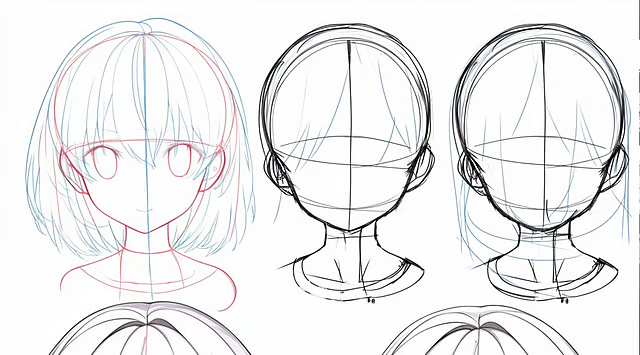
Best art tutorials are structured learning resources that teach various artistic skills step by step. These tutorials can cover a wide range of topics, including drawing, painting, digital art, sketching, shading, and composition.
They are designed for learners at different skill levels, from complete beginners to experienced artists. A good tutorial breaks down complex concepts into simple, easy-to-follow instructions. It often includes demonstrations, explanations, and exercises to help learners practice what they have learned.
Art tutorials can be found in various formats such as written guides, video lessons, online courses, and interactive platforms. Some focus on traditional art forms like pencil and watercolor, while others specialize in digital tools and software.
The best art tutorials not only teach techniques but also encourage creativity and personal expression. They help learners understand the “why” behind each step, rather than just copying what they see.
Why is Best Art Tutorials Important?
Learning art without guidance can be challenging, especially for beginners. Best art tutorials provide a clear learning path, making the process more organized and less confusing.
They help you build a strong foundation by teaching essential skills such as perspective, proportions, shading, and color theory. Without these fundamentals, it becomes difficult to create balanced and visually appealing artwork.
Another important aspect is consistency. Tutorials encourage regular practice, which is crucial for improvement. They also expose you to different styles and techniques, helping you discover what works best for you.
For intermediate artists, tutorials offer opportunities to refine skills and overcome creative blocks. They introduce new challenges that push you beyond your comfort zone, leading to continuous growth.
Detailed Step-by-Step Guide
Step 1: Choose the Right Type of Art
Start by deciding what type of art you want to learn. This could include:
- Pencil drawing
- Watercolor painting
- Acrylic or oil painting
- Digital illustration
- Sketching or doodling
Choosing a specific area helps you focus and avoid feeling overwhelmed.
Step 2: Gather Basic Materials
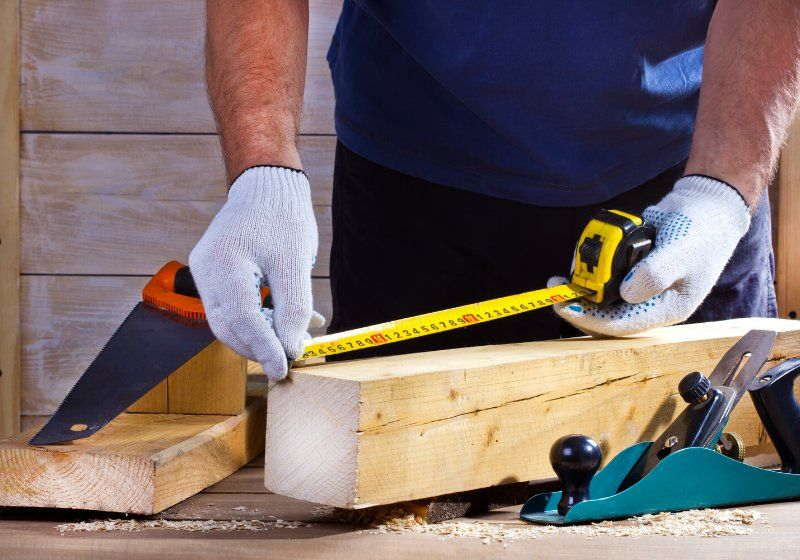
Before starting any tutorial, make sure you have the necessary tools. For example:
- Sketchbook or drawing paper
- Pencils of different grades
- Eraser and sharpener
- Paints and brushes (if needed)
- Digital tablet (for digital art)
Having the right materials ensures a smoother learning experience.
Step 3: Start with Fundamentals
Begin with basic tutorials that teach foundational skills such as:
- Lines and shapes
- Shading techniques
- Light and shadow
- Proportions and anatomy
These basics are essential for creating realistic and balanced artwork.
Step 4: Follow Tutorials Step by Step
Avoid rushing through lessons. Follow each tutorial carefully and try to understand every step. Pause, rewind, and practice as needed.
Instead of copying blindly, focus on learning the technique behind each action. This will help you apply the knowledge in your own creations.
Step 5: Practice Regularly
Consistency is key in art. Set aside time daily or weekly to practice what you have learned. Even short practice sessions can lead to significant improvement over time.
Step 6: Experiment and Explore
Once you are comfortable with basics, start experimenting. Try different styles, tools, and techniques. This helps you develop your own artistic voice.
Step 7: Review and Improve
Analyze your work and identify areas for improvement. Compare your progress over time and take note of what you have learned.
Constructive self-critique is essential for growth.
Benefits of Best Art Tutorials
- Provide structured learning for all skill levels
- Help build strong artistic fundamentals
- Improve consistency and discipline
- Offer exposure to various styles and techniques
- Boost confidence through guided practice
- Save time by avoiding trial-and-error learning
- Encourage creativity and personal expression
Disadvantages / Risks
- Over-reliance on tutorials may limit creativity
- Copying without understanding can slow progress
- Too many resources can cause confusion
- Lack of personalized feedback in some tutorials
- May feel repetitive or boring if not varied
Common Mistakes to Avoid
One common mistake is skipping the basics. Many learners want to jump into complex artwork without mastering fundamentals. This often leads to frustration and slow progress.
Another mistake is copying tutorials exactly without understanding the techniques. While imitation can help in the beginning, it is important to learn the reasoning behind each step.
Inconsistency is also a major issue. Practicing irregularly makes it difficult to retain skills and improve over time.
Some learners compare themselves too much with others. This can reduce motivation and confidence. Focus on your own progress instead.
Lastly, using too many tutorials at once can be overwhelming. Stick to a few reliable resources and complete them before moving on.
FAQs
1. Are art tutorials suitable for complete beginners?
Yes, many art tutorials are specifically designed for beginners. They start with basic concepts and gradually introduce more advanced techniques.
2. How long does it take to see improvement?
Improvement depends on consistency and practice. With regular effort, noticeable progress can be seen within a few weeks to a few months.
3. Can I learn art without natural talent?
Yes, art is a skill that can be learned and improved with practice. Tutorials help bridge the gap between talent and technique.
4. Should I focus on one type of art or try multiple styles?
It is best to start with one type to build a strong foundation. Once comfortable, you can explore other styles and mediums.
5. Are free tutorials effective?
Free tutorials can be very effective if they are well-structured and easy to follow. Many high-quality resources are available at no cost.
6. How do I stay motivated while learning art?
Set small goals, track your progress, and celebrate improvements. Trying new techniques and styles can also keep learning exciting.
Expert Tips & Bonus Points
Start with simple subjects before moving to complex compositions. This builds confidence and reduces frustration.
Use references when practicing. Observing real-life objects or images improves accuracy and understanding.
Keep a sketchbook to track your progress. Regularly reviewing your old work can be very motivating.
Take breaks when needed. Overworking can lead to burnout and reduced creativity.
Seek feedback from others. Constructive criticism can help you identify areas for improvement.
Focus on learning, not perfection. Mistakes are part of the learning process and help you grow as an artist.
Conclusion
Learning art is a rewarding journey that requires patience, dedication, and the right guidance. Best art tutorials play a crucial role in shaping your skills and helping you progress effectively. They provide structure, simplify complex techniques, and offer valuable insights that might otherwise take years to discover.
For beginners, tutorials act as a roadmap, guiding them through the fundamentals and building confidence step by step. For intermediate artists, they serve as a tool for refinement, helping to sharpen techniques and explore new creative possibilities.
However, it is important to use tutorials wisely. Avoid over-dependence and focus on understanding rather than copying. Combine structured learning with experimentation to develop your unique style.
Consistency remains the most important factor. Even the best tutorials cannot replace regular practice and dedication. By staying committed and open to learning, you can achieve significant growth in your artistic journey.
In the end, art is not just about mastering techniques. It is about expressing yourself and enjoying the process. With the right tutorials and mindset, you can turn your passion for art into a fulfilling and lifelong skill.
