

Introduction
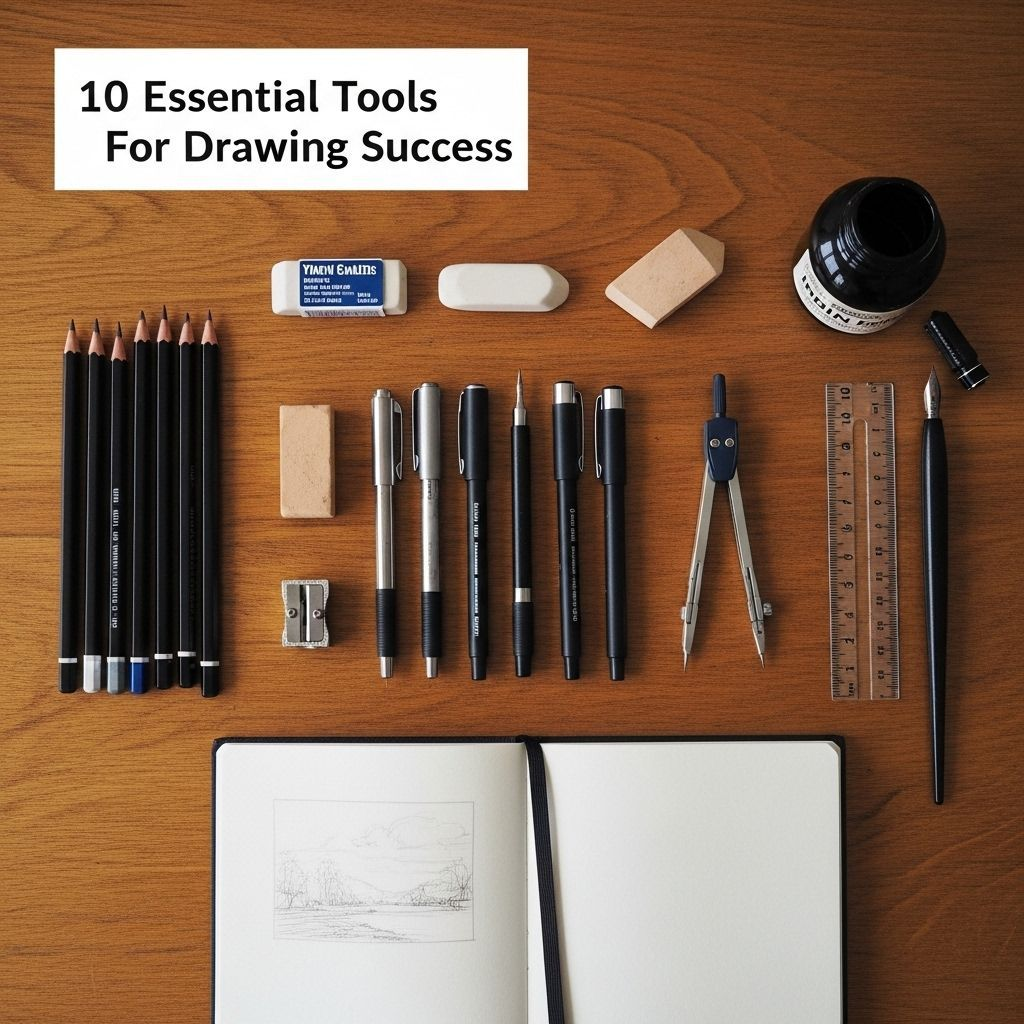
Art and design tools play a vital role in shaping creativity and transforming ideas into visual reality. Whether someone is a beginner exploring creativity or an intermediate learner improving skills, the right tools can significantly enhance results. In today’s digital and traditional art world, the variety of tools available is vast, ranging from simple sketch pencils to advanced digital software. Understanding how to use these resources effectively is the first step toward becoming a skilled designer or artist.
Art and design tools are not limited to professionals. In fact, beginners can start with basic materials and gradually move toward advanced platforms as their skills improve. These tools help in sketching, painting, editing, designing, and creating professional-level artwork. With proper practice and guidance, anyone can learn how to use them effectively.
In modern creative industries, demand for visually appealing content is increasing rapidly. From social media graphics to branding materials, every field relies on design tools. This makes learning them not just a hobby but also a valuable skill for career growth. In this detailed guide, you will learn everything about art and design tools, their importance, types, benefits, disadvantages, expert tips, and much more.
What is Art and Design Tools?
Art and design tools refer to the instruments, software, and materials used to create visual artwork and design projects. These tools can be traditional, such as pencils, brushes, and canvas, or digital, such as graphic design software and tablets.
Traditional tools include sketchbooks, markers, charcoal, paints, and rulers. These are widely used in schools and fine arts. On the other hand, digital tools include software like Adobe Photoshop, Illustrator, and various online design platforms that allow users to create professional digital art.
The purpose of art and design tools is to help artists express creativity in a structured and effective way. They provide precision, flexibility, and efficiency in creating visual content. Whether it is drawing, painting, editing, or designing, these tools make the process smoother and more professional.
Today, art and design tools are essential in industries like advertising, animation, architecture, fashion design, and digital media. They bridge the gap between imagination and reality, allowing creators to bring their ideas to life.
Why is Art and Design Tools Important?
Art and design tools are important because they provide the foundation for creativity and visual communication. Without them, it would be difficult to express ideas in a structured and impactful way.
Firstly, these tools improve creativity. When artists have access to the right materials or software, they can experiment freely and develop unique ideas. Secondly, they enhance productivity. Digital tools especially save time and allow quick editing and adjustments.
Another important reason is professional growth. Many industries require design skills, and knowledge of art and design tools can open doors to freelancing, employment, and business opportunities. Additionally, they help in building visual communication skills, which are essential in marketing and branding.
In education, these tools help students understand concepts better through visual learning. In business, they help in creating logos, advertisements, and promotional content. Overall, they are essential for both personal and professional development.
Detailed Step-by-Step Guide
Step 1 – Understanding Basic Tools
Start with simple traditional tools like pencils, sketchbooks, erasers, and rulers. Learn how each tool works and practice basic shapes and sketches.
Step 2 – Learning Color Theory
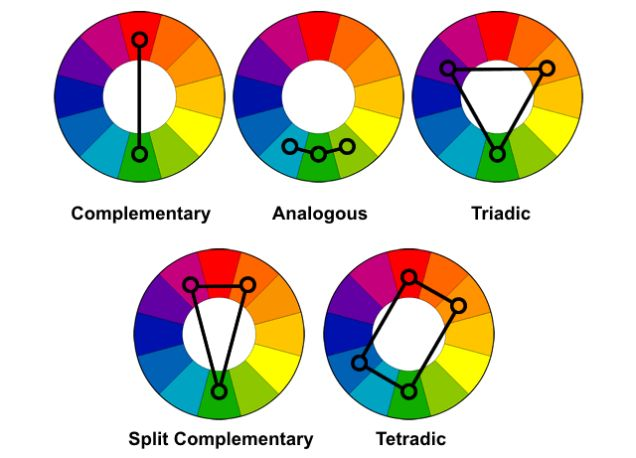
Understanding colors is important in both traditional and digital art. Learn about primary, secondary, and complementary colors to improve your designs.
Step 3 – Practicing Drawing Techniques
Focus on shading, perspective, and proportions. These techniques help improve accuracy and visual appeal.
Step 4 – Exploring Digital Tools
Move to digital platforms such as design software. Learn basic functions like layering, cropping, and color adjustment.
Step 5 – Working on Projects
Create small projects like posters, logos, or illustrations. Practice helps in improving skills and confidence.
Step 6 – Advanced Learning
Once comfortable, explore advanced features like 3D design, animation, and professional editing tools.
Benefits of Art and Design Tools
- Improve creativity and imagination
- Enhance professional design skills
- Save time in digital editing and creation
- Help in better visual communication
- Provide career opportunities in creative industries
- Allow experimentation without risk
- Improve attention to detail
- Support both traditional and digital art styles
Disadvantages / Risks
- Some digital tools can be expensive
- Learning curve can be difficult for beginners
- Over-reliance on software may reduce manual skills
- Requires consistent practice and patience
- Technical issues may interrupt workflow
- High-end tools need powerful devices
Common Mistakes to Avoid
Many beginners make mistakes while learning art and design tools. Avoiding these can improve progress significantly.
One common mistake is skipping basics and directly jumping to advanced tools. This creates confusion and weak foundation skills. Another mistake is ignoring practice. Consistency is key in improving artistic abilities.
Many learners also depend too much on digital effects instead of focusing on creativity. This reduces originality in work. Not understanding color balance and composition is another major issue.
Finally, using too many tools at once can be overwhelming. It is better to master a few tools first before expanding.
FAQs
1. What are the best art and design tools for beginners?
Beginners should start with pencils, sketchbooks, and basic digital software with simple interfaces.
2. Can I learn art and design tools online?
Yes, many online tutorials and courses are available that help beginners learn step-by-step.
3. Are digital tools better than traditional tools?
Both have advantages. Traditional tools improve hand skills, while digital tools offer flexibility and speed.
4. How long does it take to learn design tools?
It depends on practice. Basic skills can be learned in a few weeks, but mastery takes months or years.
5. Do I need expensive software to start?
No, many free or low-cost tools are available for beginners.
6. Can I earn money using design skills?
Yes, design skills are in high demand for freelancing, jobs, and creative businesses.
Expert Tips & Bonus Points
Focus on daily practice instead of long occasional sessions. Consistency builds strong skills over time. Always study real-world examples to understand design principles better.
Try combining traditional sketching with digital tools for better creativity. This hybrid approach improves flexibility and originality.
Keep your workspace organized and distraction-free. This helps improve focus and productivity.
Learn keyboard shortcuts if you are using digital software. It saves time and improves efficiency.
Most importantly, do not compare your progress with others. Every artist has a unique journey.
Conclusion
Art and design tools are essential for anyone interested in creativity, visual communication, or professional design work. They provide a strong foundation for turning imagination into reality. Whether using traditional materials or advanced digital software, these tools help artists express ideas more effectively.
For beginners, starting simple and gradually progressing is the best approach. With consistent practice, anyone can master these tools and build strong creative skills. Intermediate learners can refine their abilities by exploring advanced techniques and experimenting with different styles.
In today’s digital world, art and design tools are not just optional; they are necessary for success in many industries. From branding to social media and advertising, their importance continues to grow.
By understanding their benefits, limitations, and proper usage, you can build a strong foundation in creativity. With patience and dedication, these tools can open doors to endless opportunities in the creative field.
