

Introduction
Art has always been a powerful way to express emotions, ideas, and creativity. Whether you are just starting your artistic journey or already have some experience, having the right tools for artists can completely change the quality of your work. The right tools not only improve your skills but also make the creative process smoother and more enjoyable.
Today, artists have access to both traditional and modern digital resources that help them create stunning artwork. From pencils, brushes, and sketchbooks to tablets and advanced software, the variety is huge. However, choosing the right combination of tools for artists can be confusing, especially for beginners.
In this guide, we will explore everything you need to know about essential tools, their importance, how to use them effectively, and common mistakes to avoid. You will also learn practical tips to improve your artistic journey step by step.
By the end, you will have a clear understanding of which tools for artists are best suited for your style and how you can use them to develop your creative skills efficiently.
What is Tools for Artists?
Tools for artists refer to all the physical and digital materials that help in creating visual art. These tools include drawing instruments, painting supplies, sculpting materials, and digital software used for illustration and design.
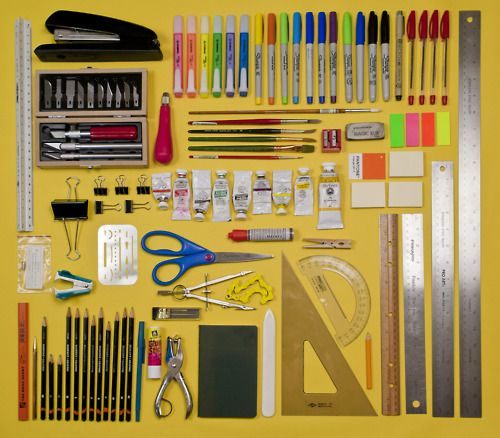
Traditional tools for artists include pencils, charcoal, paints, brushes, canvases, and sketchbooks. On the other hand, digital tools include graphic tablets, styluses, design software, and digital painting applications.
Each category of tools for artists serves a different purpose, but the ultimate goal remains the same: to bring creative ideas to life. Whether you are sketching a portrait or designing a digital illustration, the right tools ensure precision, control, and better artistic expression.
Why is Tools for Artists Important?
Understanding the importance of tools for artists is essential for anyone who wants to improve their skills. The quality of your tools directly affects the quality of your artwork.
First, good tools improve accuracy and detail. For example, a high-quality pencil or brush allows smoother strokes and better control. Second, they help you experiment with different techniques, which improves creativity.
Moreover, tools for artists also save time. Instead of struggling with poor-quality materials, artists can focus more on creativity and less on technical issues. This makes learning and practicing much more enjoyable.
Lastly, the right tools build confidence. When artists know they are using reliable materials, they feel more motivated to create and explore new styles.
Detailed Step-by-Step Guide
Step 1: Choosing Basic Drawing Tools
Start with essential tools for artists such as pencils, erasers, and sketchbooks. These basics help you build foundational skills like shading, outlining, and perspective drawing.
Step 2: Understanding Color Tools
Next, explore color-based tools like watercolor, acrylic paints, colored pencils, and markers. These help you understand color theory and blending techniques.
Step 3: Exploring Brushes and Canvas
Brushes come in different shapes and sizes, each designed for specific strokes. Canvases provide a surface for painting and allow you to experiment with texture.
Step 4: Moving to Digital Tools

Digital tools for artists include tablets, styluses, and software like Photoshop or Procreate. These tools allow flexibility, undo options, and advanced editing features.
Step 5: Practicing Regularly
No matter which tools for artists you choose, consistent practice is key. Daily sketching or digital experimentation helps improve your skills over time.
Benefits of Tools for Artists
- Improve creativity and artistic expression
- Provide better control and precision in artwork
- Help beginners learn faster and more effectively
- Offer flexibility between traditional and digital art
- Save time during the creative process
- Allow experimentation with different styles and techniques
- Increase confidence in artistic abilities
Disadvantages / Risks
- High-quality tools for artists can be expensive
- Beginners may feel overwhelmed by too many options
- Digital tools require learning software skills
- Poor-quality materials can affect results
- Over-reliance on digital tools may reduce traditional practice
- Maintenance of tools like brushes and tablets is required
Common Mistakes to Avoid
Many beginners make mistakes when using tools for artists. One common mistake is buying too many tools at once without learning the basics. This leads to confusion and wasted money.
Another mistake is ignoring practice and focusing only on tools. Even the best tools for artists cannot replace consistent practice.
Some beginners also choose low-quality materials to save money, but this often affects the final artwork. It is better to invest in a few good tools rather than many poor ones.
Lastly, not exploring digital tools can limit growth in today’s modern art world. Balancing traditional and digital tools is the key.
FAQs
1. What are the most essential tools for artists?
The most essential tools for artists include pencils, sketchbooks, erasers, brushes, paints, and optionally a digital drawing tablet.
2. Are digital tools better than traditional tools?
Both have advantages. Traditional tools for artists are great for learning basics, while digital tools offer flexibility and editing options.
3. How can beginners choose the right tools?
Beginners should start with basic and affordable tools for artists and gradually upgrade as their skills improve.
4. Do I need expensive tools to start?
No, you can start with simple and budget-friendly tools for artists. Skill matters more than price.
5. Can I mix traditional and digital art?
Yes, many modern artists combine both traditional and digital tools for artists to create unique artwork.
6. How long does it take to master art tools?
It depends on practice. Regular use of tools for artists can show noticeable improvement within a few months.
Expert Tips & Bonus Points
Always start with the basics before moving to advanced tools for artists. Focus on learning techniques rather than collecting materials.
Keep your tools clean and well-maintained for better performance. For example, clean brushes after every use and update digital software regularly.
Try experimenting with different styles using the same tools for artists. This helps you understand your strengths and preferences.
Join online communities or art groups to learn new techniques and get feedback on your work.
Most importantly, stay consistent. Even the best tools for artists are useless without regular practice and dedication.
Conclusion
Art is a journey of creativity, patience, and continuous learning. The right tools for artists play a crucial role in shaping that journey. Whether you choose traditional materials or modern digital platforms, each tool adds value to your creative expression.
For beginners, it is important to start simple and gradually explore more advanced options. This approach not only builds confidence but also improves skill development over time.
As you continue your artistic journey, remember that tools for artists are only a part of the process. True creativity comes from practice, imagination, and passion. The more you explore and experiment, the better your results will become.
In the end, success in art is not defined by expensive tools but by how effectively you use them. Keep practicing, stay inspired, and let your creativity grow with the right tools for artists guiding your journey.
