

Introduction
Digital creative tools have completely changed the way people design, create, and share content in today’s modern world. From graphic design and video editing to animation and digital painting, these tools are now essential for students, freelancers, marketers, and professional designers. In simple words, digital creative tools are software applications that help users turn ideas into visual, audio, or interactive content with ease and efficiency. Whether you are building a brand, creating social media content, or working on a school project, these tools make the entire process faster and more professional.
In the early days, creative work required expensive equipment and advanced technical skills. However, with the rise of digital creative tools, anyone with a computer or smartphone can now produce high-quality work. This accessibility has opened doors for beginners and intermediate users to explore creativity without limitations. Today, industries like advertising, entertainment, education, and marketing heavily rely on these tools to deliver engaging content.
Moreover, the demand for digital skills is growing rapidly. Learning how to use digital creative tools not only improves creativity but also increases career opportunities. In this guide, you will learn what these tools are, why they matter, how to use them step by step, their benefits, risks, and expert tips to master them effectively.
What are Digital Creative Tools?
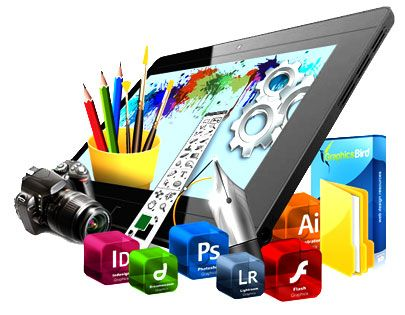
Digital creative tools are software applications designed to help users create, edit, and manage digital content. These tools include a wide range of applications such as graphic design software, video editing programs, animation tools, and audio production platforms. They allow users to combine creativity with technology to produce professional-level output.
Some popular examples include tools for photo editing, digital illustration, motion graphics, 3D modeling, and content creation for social media platforms. These tools are widely used by designers, marketers, content creators, and even educators.
At their core, digital creative tools simplify complex creative tasks. Instead of drawing or editing manually, users can use built-in features, templates, and automated functions to achieve better results in less time. This makes them ideal for both beginners and professionals.
Why are Digital Creative Tools Important?
Digital creative tools are important because they bridge the gap between imagination and execution. They allow individuals to transform ideas into visual or interactive formats without requiring advanced technical knowledge.
One major reason for their importance is accessibility. Anyone can learn and use these tools with basic training. This has made creativity more inclusive and widespread across different industries.
Another reason is efficiency. Traditional creative methods take a lot of time, but digital creative tools speed up the entire process. For example, editing a video or designing a poster can now be done in minutes instead of hours.
Additionally, businesses rely heavily on these tools for branding and marketing. High-quality visuals attract more attention, increase engagement, and improve communication with audiences. This makes digital creative tools essential in today’s digital economy.
Detailed Step-by-Step Guide
Step 1: Choose the Right Tool
The first step in using digital creative tools is selecting the right software based on your goal. If you want to design graphics, choose a design tool. For video editing, select a video editor. For animation, pick animation software.
Step 2: Learn the Basic Interface
Once you choose a tool, spend time understanding its interface. Learn where the main features are located, such as editing panels, toolbars, and export options. This helps you work more efficiently.
Step 3: Start with Templates

Most digital creative tools offer ready-made templates. Beginners should start with these templates to understand how designs are structured. It also saves time and helps build confidence.
Step 4: Practice Basic Editing
Begin experimenting with simple edits like changing colors, adjusting text, cropping images, or adding effects. Practice is key to improving your skills.
Step 5: Create Your First Project
After learning the basics, start a small project. It could be a social media post, a short video, or a simple illustration. Focus on applying what you have learned.
Step 6: Improve with Advanced Features
As you gain experience, explore advanced features such as layers, animations, transitions, and effects. These features help improve the quality of your work.
Step 7: Export and Share
Finally, export your project in the correct format and share it on platforms like social media or portfolios. This helps you gain feedback and improve further.
Benefits of Digital Creative Tools
- Easy to use for beginners with minimal learning curve
- Saves time compared to traditional creative methods
- Enhances creativity and imagination
- Provides professional-quality output
- Supports multiple formats like images, videos, and animations
- Widely used in industries such as marketing and entertainment
- Offers templates and automation features
- Helps in building digital careers and freelancing opportunities
Disadvantages / Risks
- Some advanced tools require paid subscriptions
- Learning curve can be difficult for complex software
- Over-reliance on templates may reduce originality
- Requires regular updates and system compatibility
- Can be distracting due to too many features
- High-quality tools may require powerful hardware
Common Mistakes to Avoid
Many beginners make mistakes when using digital creative tools. One common mistake is trying to learn everything at once. This often leads to confusion and frustration. Instead, focus on one tool and master its basics first.
Another mistake is ignoring practice. Without regular practice, skills do not improve. Consistency is important in mastering any creative tool.
Some users also depend too much on templates without understanding design principles. This limits creativity and originality. It is important to learn the fundamentals of design and editing.
Lastly, not saving work properly or ignoring file formats can cause problems later. Always double-check export settings before finalizing a project.
FAQs
1. What are digital creative tools used for?
Digital creative tools are used for designing graphics, editing videos, creating animations, and producing digital content for various platforms.
2. Are digital creative tools easy for beginners?
Yes, most tools are designed with user-friendly interfaces, making them suitable for beginners with little or no experience.
3. Do I need a powerful computer to use these tools?
Not always. Basic tools work on standard devices, but advanced features may require better hardware.
4. Can I use digital creative tools for freelancing?
Yes, many freelancers use these tools to earn income by offering design, editing, and content creation services.
5. Which is the best digital creative tool for beginners?
It depends on your goal, but beginner-friendly tools are usually those with simple interfaces and templates.
6. Are digital creative tools free or paid?
Both options are available. Many tools offer free versions with limited features, while advanced versions are paid.
Expert Tips & Bonus Points
Experts suggest starting small and focusing on consistency. Instead of learning multiple tools, master one tool at a time. This builds strong foundational skills.
Another tip is to follow online tutorials and practice along with them. This improves learning speed and understanding.
It is also recommended to study basic design principles like color theory, typography, and composition. These concepts improve the quality of your work significantly.
Additionally, always keep experimenting. Creativity grows when you try new ideas and push boundaries.
Finally, build a portfolio of your work. This helps showcase your skills and opens up career opportunities in digital industries.
Conclusion
Digital creative tools have become an essential part of modern creativity and digital communication. They empower individuals to transform ideas into visually appealing and professional content with ease. Whether you are a beginner or an intermediate user, learning these tools can significantly improve your creative skills and career prospects.
From designing graphics to editing videos and creating animations, these tools offer endless possibilities. They not only save time but also enhance productivity and creativity. As industries continue to evolve, the demand for digital skills will keep increasing.
By understanding the basics, practicing regularly, and avoiding common mistakes, anyone can master digital creative tools effectively. The key is consistency and continuous learning. With the right approach, you can turn your creativity into a powerful skill that opens doors to numerous opportunities in the digital world.
