

Introduction
Drawing is one of the most accessible and rewarding creative skills anyone can learn. Whether you want to sketch casually, improve your artistic abilities, or pursue art professionally, starting with the right foundation makes all the difference. Many beginners often feel intimidated because they believe drawing requires natural talent. In reality, it is a skill that improves with practice, patience, and proper guidance.
If you are new to art, understanding simple drawing tips for beginners can help you build confidence and develop your own style over time. From learning how to hold a pencil to understanding proportions and shading, every small step contributes to your growth as an artist. The key is consistency and a willingness to learn from mistakes.
In this guide, you will explore practical and easy-to-follow drawing tips for beginners that are suitable for both beginners and intermediate learners. The article is structured to help you understand the basics, avoid common mistakes, and apply techniques effectively. By the end, you will feel more confident and motivated to continue your drawing journey.
What is Drawing Tips for Beginners?
Drawing tips for beginners refer to a set of basic techniques, methods, and guidelines that help new artists understand how to draw effectively. These tips focus on simplifying complex ideas into easy steps, making it easier for beginners to learn without feeling overwhelmed.
These tips usually include learning about shapes, lines, proportions, shading, and perspective. Instead of jumping directly into detailed drawings, beginners are encouraged to break objects into simple forms such as circles, squares, and triangles. This approach helps in building a strong foundation.
For example, when drawing a face, beginners are taught to start with an oval shape and then add guidelines for eyes, nose, and mouth. This structured method reduces errors and improves accuracy.
In short, drawing tips for beginners are essential tools that guide new artists step by step, helping them improve faster and more efficiently.
Why is Drawing Tips for Beginners Important?
Understanding drawing tips for beginners is important because it provides a clear direction for learning. Without proper guidance, beginners often develop bad habits that can slow down their progress.
One major benefit is that these tips help in building confidence. When you follow simple steps and see improvement, it motivates you to continue practicing. Additionally, learning the basics properly makes it easier to explore advanced techniques later.
Another reason is efficiency. Instead of randomly practicing, beginners can focus on specific skills such as shading or perspective. This structured learning approach saves time and effort.
Moreover, drawing tips for beginners help in improving observation skills. You learn how to see details, understand proportions, and translate what you observe onto paper accurately.
Detailed Step-by-Step Guide
Start with Basic Shapes
Every complex drawing begins with simple shapes. Practice drawing circles, squares, triangles, and rectangles regularly. These shapes form the foundation of most objects.
For instance, a human body can be broken into ovals and rectangles. Similarly, animals and objects can be simplified into basic forms before adding details.
Learn Proper Pencil Control
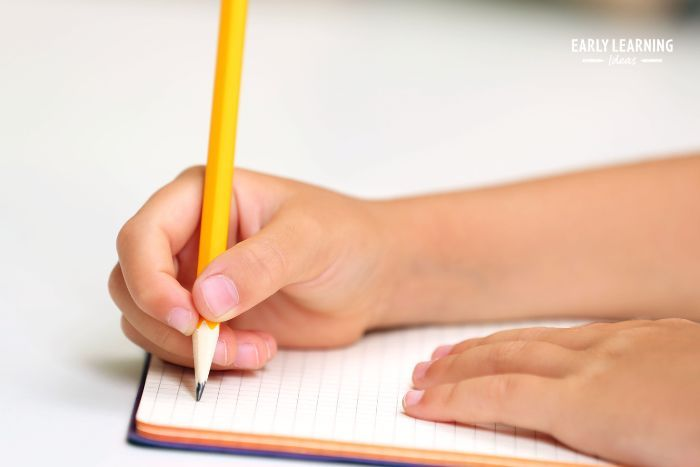
Holding your pencil correctly improves control and precision. Avoid gripping too tightly. Instead, use a relaxed grip to allow smooth movement.
Practice drawing straight lines, curves, and different strokes. This helps in developing muscle memory and improves your overall drawing quality.
Understand Light and Shadow
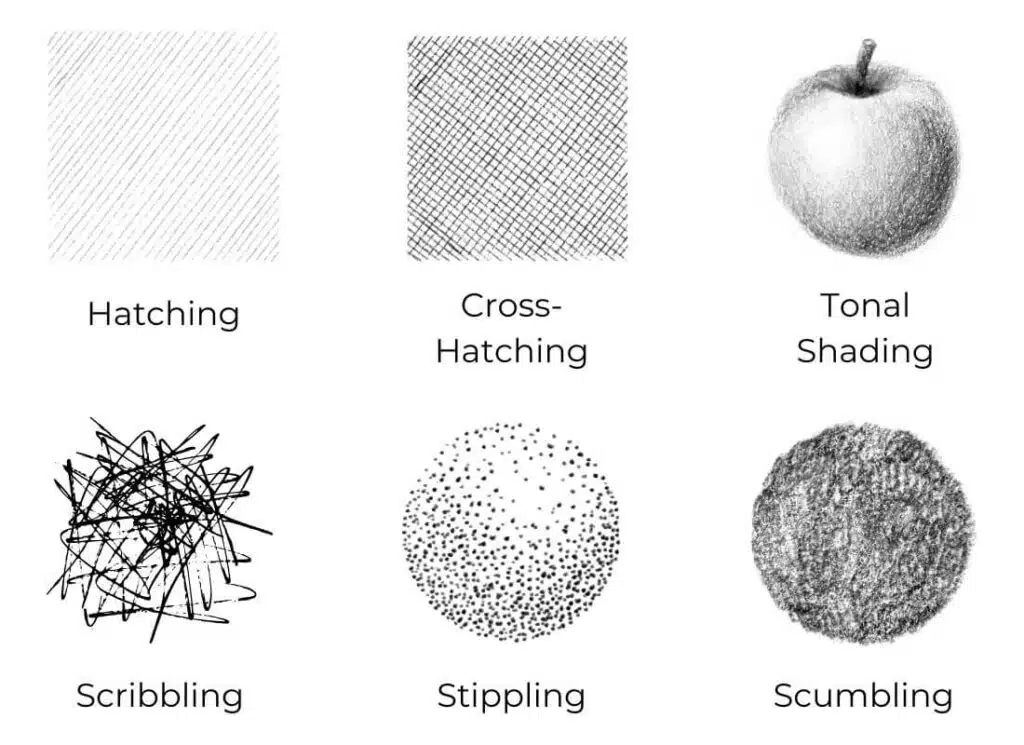
Shading is an essential part of drawing. It adds depth and makes your drawings look realistic. Start by identifying the light source in your drawing.
Practice basic shading techniques such as:
- Hatching
- Cross-hatching
- Blending
These techniques help you create shadows and highlights effectively.
Focus on Proportions
Proportions determine how accurate your drawing looks. Beginners often struggle with this, especially when drawing faces or bodies.
Use guidelines to maintain correct proportions. For example, divide the face into equal sections to position eyes, nose, and mouth properly.
Practice Observation Skills
Drawing is not just about your hand but also about your eyes. Train yourself to observe details carefully.
Look at objects closely and notice their shapes, angles, and shadows. Try to replicate what you see instead of relying on memory.
Use Reference Images
Using references is not cheating. It is a powerful learning tool. Study photos or real objects to understand details and structure.
Over time, you will develop the ability to draw without references.
Practice Regularly
Consistency is key. Set aside time daily or weekly to practice. Even short practice sessions can lead to significant improvement.
Start with simple sketches and gradually move to more complex drawings.
Experiment with Different Tools
Try different pencils, erasers, and paper types. Each tool offers a unique effect.
For example:
- Soft pencils are great for shading
- Hard pencils are ideal for fine lines
Experimenting helps you find what works best for you.
Benefits of Drawing Tips for Beginners
- Improves creativity and imagination
- Enhances focus and concentration
- Builds confidence in artistic skills
- Helps in stress relief and relaxation
- Develops observation and analytical skills
- Provides a strong foundation for advanced art techniques
- Encourages patience and discipline
Disadvantages / Risks
- Initial frustration due to slow progress
- Comparing yourself to experienced artists
- Lack of consistency can hinder improvement
- Overthinking details instead of practicing basics
- Possible burnout if practicing excessively without breaks
Common Mistakes to Avoid
One common mistake beginners make is trying to create perfect drawings from the start. This often leads to frustration and disappointment. Instead, focus on learning and improving gradually.
Another mistake is skipping the basics. Many beginners jump directly into detailed drawings without understanding shapes or proportions. This results in inaccurate sketches.
Using too much pressure while drawing is also a common issue. It makes erasing difficult and limits flexibility. Keep your strokes light in the beginning.
Ignoring practice is another major mistake. Drawing skills improve only with consistent effort. Irregular practice slows down progress significantly.
Lastly, relying too much on copying without understanding can limit creativity. While references are helpful, try to understand the structure behind what you are drawing.
FAQs
1. How long does it take to learn drawing?
Learning drawing depends on your dedication and practice. With consistent effort, beginners can see improvement within a few weeks. Mastery, however, takes months or even years.
2. Do I need expensive tools to start drawing?
No, you do not need expensive tools. A simple pencil, eraser, and paper are enough for beginners. As you progress, you can invest in better materials.
3. Can anyone learn drawing?
Yes, drawing is a skill that anyone can learn. It does not require natural talent. With practice and proper guidance, anyone can improve.
4. How often should I practice drawing?
It is recommended to practice at least 20–30 minutes daily. Regular practice helps in building consistency and improving skills faster.
5. Should I use references while drawing?
Yes, using references is highly recommended for beginners. It helps you understand shapes, proportions, and details more accurately.
6. What should I draw as a beginner?
Start with simple objects such as fruits, cups, or basic shapes. Gradually move to more complex subjects like faces, landscapes, or animals.
Expert Tips & Bonus Points
Start with light sketches before adding details. This allows you to make corrections easily. Avoid pressing hard with your pencil in the initial stages.
Break complex drawings into smaller parts. This makes them easier to handle and reduces mistakes.
Use mirrors or flip your drawing to check for errors. This helps in identifying proportion issues that are not easily noticeable.
Keep a sketchbook to track your progress. Reviewing old drawings shows improvement and keeps you motivated.
Do not be afraid to make mistakes. Every mistake is a learning opportunity that helps you grow as an artist.
Try drawing from real life instead of only using photos. This improves observation skills significantly.
Stay patient and enjoy the process. Drawing is not just about the final result but also about the journey of learning.
Conclusion
Drawing is a skill that opens the door to creativity, self-expression, and personal growth. For beginners, the journey may seem challenging at first, but with the right approach, it becomes enjoyable and fulfilling. Following practical drawing tips for beginners can make the learning process smoother and more effective.
By focusing on basic shapes, understanding proportions, practicing regularly, and avoiding common mistakes, you can build a strong foundation in drawing. It is important to remember that progress takes time, and every small improvement counts. Consistency and patience are the keys to success in any artistic journey.
Additionally, using references, experimenting with tools, and observing real-life objects can significantly enhance your skills. Do not rush the process or compare yourself to others. Everyone learns at their own pace.
In the end, drawing is not about perfection but about expression and growth. Keep practicing, stay motivated, and enjoy every step of your artistic journey. With dedication and the right mindset, anyone can become a skilled artist.
