

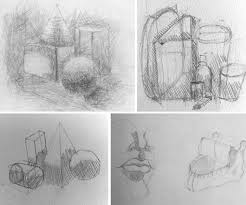
Introduction
Learning how to improve drawing skills can feel overwhelming at first, especially when your ideas don’t match what appears on paper. However, drawing is not a talent reserved for a few; it is a skill that develops through consistent practice and the right techniques. Whether you are just starting or looking to refine your abilities, the journey is both creative and rewarding.
Many beginners struggle with confidence, while intermediate artists often feel stuck in a plateau. The good news is that improvement is always possible with structured learning and patience. By focusing on fundamentals, observing carefully, and practicing regularly, anyone can see real progress.
In this guide, you will discover practical steps, helpful tips, and proven methods to enhance your drawing abilities. From understanding the basics to avoiding common mistakes, this article covers everything you need to grow as an artist. With dedication and the right mindset, you can transform your sketches into impressive works of art.
What is How to Improve Drawing Skills?
Improving drawing skills refers to the process of developing your ability to accurately and creatively represent objects, ideas, and scenes on paper or digitally. It involves mastering techniques such as line control, shading, perspective, and proportion.
At its core, drawing is about observation and interpretation. You learn to see details more clearly and translate them into visual form. This includes understanding shapes, light, and textures.
For beginners, improvement often starts with simple exercises like sketching basic objects. For intermediate artists, it may involve refining style, experimenting with techniques, and tackling complex compositions.
Ultimately, improving drawing skills is a continuous learning process. It combines practice, study, and creativity to help artists grow over time.
Why is How to Improve Drawing Skills Important?
Developing strong drawing skills is essential for anyone interested in art, design, or creative expression. It allows you to communicate ideas visually, which can be powerful and engaging.
Firstly, drawing enhances observation skills. You begin to notice details that others might overlook, such as light variations, textures, and proportions. This sharpens your overall perception.
Secondly, it builds confidence. As your skills improve, you become more comfortable experimenting and expressing your ideas. This confidence often extends beyond art into other areas of life.
Additionally, drawing can be a valuable professional skill. Fields like graphic design, animation, architecture, and illustration rely heavily on strong drawing foundations.
Lastly, it offers personal satisfaction. Creating something with your own hands can be deeply fulfilling and relaxing, making drawing both a creative outlet and a stress reliever.
Detailed Step-by-Step Guide
Step 1: Start with Basic Shapes
Every complex drawing begins with simple shapes. Circles, squares, and triangles form the foundation of most objects.
Practice sketching these shapes regularly. Focus on accuracy and proportion. For example, draw a cup using a cylinder or a face using an oval.
This approach simplifies complicated subjects and helps you build confidence.
Step 2: Practice Line Control
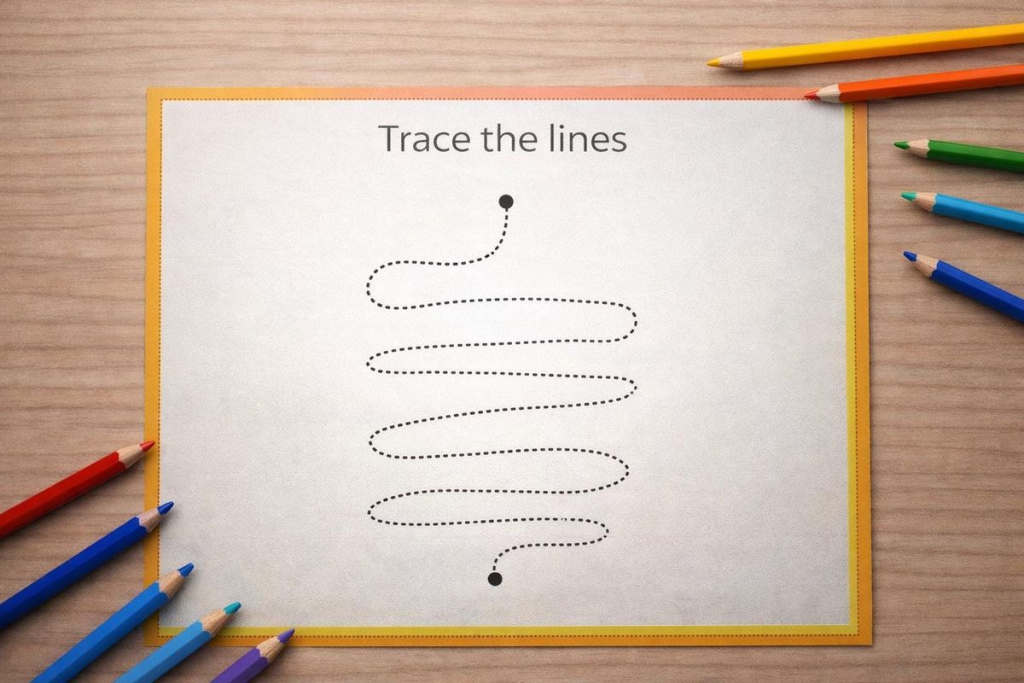
Clean and confident lines make a big difference in drawing quality.
Try drawing straight lines, curves, and patterns without lifting your pencil. Avoid sketchy or hesitant strokes.
Over time, your hand will become steadier, and your lines will look more professional.
Step 3: Learn Shading Techniques
Shading adds depth and realism to your drawings. It helps create the illusion of light and shadow.
Start with basic techniques like hatching, cross-hatching, and blending. Practice shading simple objects like spheres or cubes.
Observe how light falls on objects and replicate it in your drawings.
Step 4: Study Proportions and Anatomy
Accurate proportions are crucial, especially when drawing people or animals.
Use guidelines to map out body parts or facial features. For instance, the eyes are usually halfway down the head.
Studying anatomy helps you create more realistic and balanced drawings.
Step 5: Use References
Drawing from imagination is challenging, especially for beginners.
Use photos or real-life objects as references. This improves accuracy and helps you understand details better.
Over time, you will rely less on references as your visual memory improves.
Step 6: Practice Daily
Consistency is key when learning how to improve drawing skills.
Set aside time each day, even if it’s just 20 minutes. Regular practice builds muscle memory and sharpens your skills.
Keep a sketchbook to track your progress and experiment with ideas.
Step 7: Learn Perspective
Perspective creates depth and makes drawings look realistic.
Start with one-point and two-point perspective techniques. Practice drawing roads, buildings, or boxes.
Understanding perspective helps you create more dynamic compositions.
Step 8: Experiment with Different Styles
Trying different styles can expand your creativity.
Explore realism, cartooning, abstract art, or digital drawing. Each style teaches new techniques and approaches.
This also helps you discover your personal artistic voice.
Benefits of How to Improve Drawing Skills
- Enhances creativity and imagination
- Improves observation and attention to detail
- Builds confidence in artistic abilities
- Provides a relaxing and enjoyable hobby
- Opens career opportunities in creative fields
- Strengthens problem-solving and critical thinking
- Encourages self-expression and storytelling
Disadvantages / Risks
- Can be time-consuming and require patience
- Initial frustration due to slow progress
- Comparison with others may lower confidence
- Risk of burnout if over-practiced without breaks
- Lack of guidance can lead to bad habits
Common Mistakes to Avoid
One common mistake is expecting quick results. Drawing takes time, and improvement happens gradually. Avoid getting discouraged early on.
Another mistake is skipping fundamentals. Many beginners jump into complex drawings without understanding basics like shapes and proportions.
Over-reliance on copying is also an issue. While references are helpful, try to understand what you are drawing rather than just tracing it.
Additionally, ignoring feedback can slow progress. Constructive criticism helps identify areas for improvement.
Lastly, not practicing regularly can hinder growth. Inconsistent effort leads to slower development.
FAQs
1. How long does it take to improve drawing skills?
Improvement depends on practice and dedication. With daily practice, noticeable progress can appear within a few weeks, but mastery takes years.
2. Can anyone learn how to improve drawing skills?
Yes, drawing is a skill that anyone can learn. Talent may help, but consistent practice and learning are more important.
3. What should beginners draw first?
Beginners should start with simple objects like fruits, cups, or basic shapes. This builds confidence and understanding of form.
4. Is it better to draw from imagination or reference?
Both are important. Beginners should focus on references, while experienced artists can combine imagination with learned knowledge.
5. How often should I practice drawing?
Daily practice is ideal, even if it’s for a short time. Consistency is more important than long sessions.
6. Do I need expensive tools to improve drawing skills?
No, basic tools like a pencil and paper are enough. Skill matters more than equipment.
Expert Tips & Bonus Points
Focus on observing rather than assuming. Train your eyes to see details accurately before drawing them.
Break complex subjects into smaller parts. This makes drawing easier and less intimidating.
Use light sketches first, then refine your lines. This allows room for correction without damaging your work.
Take breaks to avoid fatigue. A fresh mind often leads to better results.
Study other artists’ work for inspiration, but avoid direct copying. Learn techniques and adapt them to your style.
Keep all your drawings, even the bad ones. Reviewing old work shows how much you have improved over time.
Challenge yourself regularly. Try new subjects or techniques to push your limits.
Conclusion
Improving drawing skills is a journey that requires patience, practice, and persistence. While it may seem difficult at first, consistent effort leads to noticeable progress over time. By focusing on fundamentals such as shapes, shading, and perspective, you can build a strong foundation for artistic growth.
It is important to remember that every artist progresses at their own pace. Comparing yourself to others can be discouraging, so focus on your own improvement instead. Celebrate small achievements and learn from mistakes along the way.
Moreover, drawing should be enjoyable. Experimenting with different styles and subjects keeps the process exciting and helps you discover your unique artistic voice. Whether you draw for fun or pursue it professionally, the skills you develop will benefit you in many ways.
In the end, the key to success lies in consistency and curiosity. Keep practicing, stay open to learning, and never stop exploring new ideas. With time and dedication, you will see your drawing skills improve and your confidence grow as an artist.
